Skip to content

As we get close 2026, the global demand for iron oxide pigments1 for iron oxide pigments keeps growing steadily for red, yellow and black pigments.
Iron oxide pigments possess excellent lightfastness and heat resistance. They can maintain their color vibrancy for extended periods and will not fade due to sunlight or high temperatures. This property makes iron oxide pigments widely used in outdoor buildings, transportation facilities, industrial products, and most other applications requiring prolonged exposure. Iron oxide pigments have thus become one of the most reliable inorganic pigments on the global market.
This article examines the current state, application areas, and future growth prospects of the iron oxide pigment market, aiming to provide reference information for buyers and sellers of these pigments.
Iron Oxide Pigments: A Brief Overview
Iron oxide pigments are inorganic compounds derived from iron. These pigments are widely used for their excellent color stability2, non-toxic properties, and resistance to UV degradation. The most common colors produced by iron oxide pigments3 are red, yellow, brown, and black, each having distinct applications based on their chemical properties and hue intensity. Iron oxide pigments are classified as synthetic or natural, especially synthetic pigments dominating the market due to the consistency, availability, and cost-effectiveness.
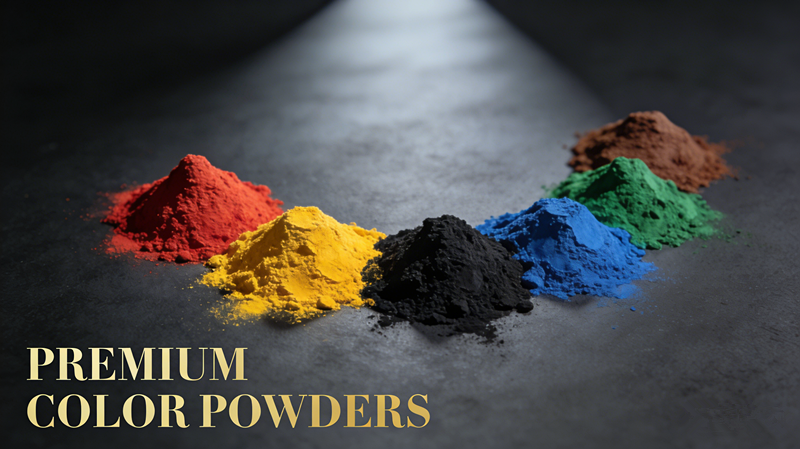
The Growing Demand for Red, Yellow, and Black Iron Oxide Pigments
1. Red Iron Oxide Pigments
Iron oxide red is the most commonly used colorant in ceramics and also the colorant with the highest iron content. Red iron oxide comes in various shades, ranging from bright red to deep reddish-brown, usually indicated by color codes of 120-180 (this color code should be marked on the packaging provided by the manufacturer; the darker the color, the higher the color code). However, since the iron content is the same, these different grades of red iron oxide should be fired at similar temperatures during ceramic firing. The different colors of the raw materials are due to differences in the degree of grinding.
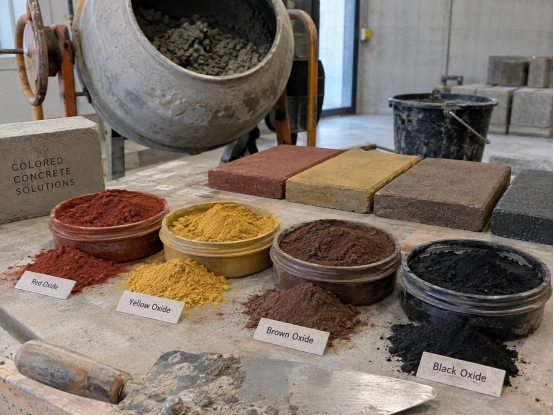
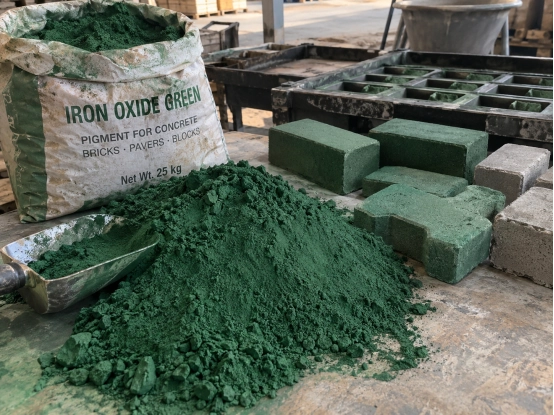
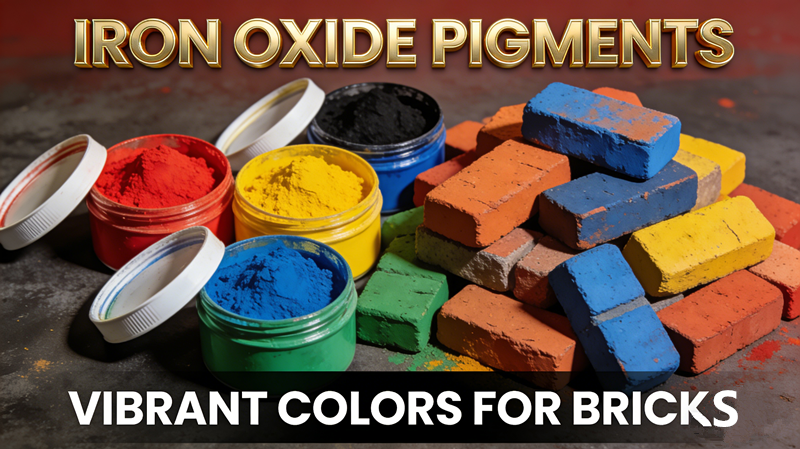
Iron oxide red pigment is known for its rich and vibrant hue. This pigment is commonly used in building materials, including cement, bricks, and concrete, as well as paints and coatings. Some grades are available for use in the cosmetics industry. Driven by infrastructure and urban construction projects, the construction industry's demand for iron oxide red pigment is constantly growing, thus fueling the development of the red iron oxide market.
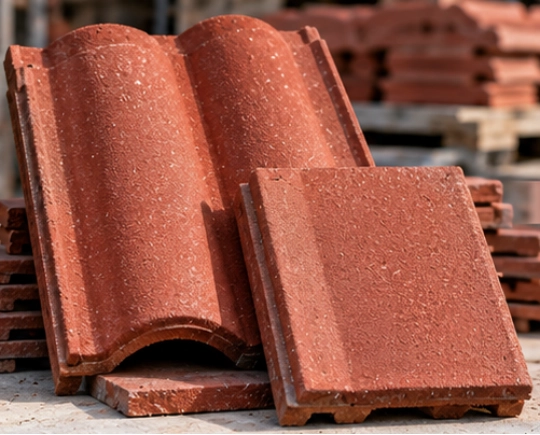
- Construction Applications4: Red iron oxide pigments are commonly used to color building materials like bricks, concrete, and tiles. Their ability to provide long-lasting color in outdoor environments makes them a top choice for construction and masonry projects.
- Paints and Coatings: Iron oxide red is widely used in paints and coatings due to its rich color and strong hiding power. Demand for iron oxide red pigment is increasing in different regions, from industrial coatings to decorative coatings, with significant growth in Asia and Africa.
Key Drivers:
- Urbanization and growth of the construction sector, particularly in regions like Southeast Asia and Africa, are driving the demand for red iron oxide pigments5 in building materials.
- Increased adoption of high-quality pigments in decorative paints, which are used for both residential and commercial buildings.
2. Yellow Iron Oxide Pigments
Iron oxide yellow can be used in applications where there are high requirements for the color or other properties of raw materials, and where the color of the unfired product is important, or where it is necessary to use substances that do not easily produce stickiness. Pyrite is less fluffy and lighter than iron black, but lighter and fluffier than iron red. It agglomerates less than red iron, but more severely than black iron. Its particles are relatively large, leaving some light-colored residue on a 325-mesh sieve.
Iron oxide yellow pigments are another key, rapidly growing segment of the market.Iron oxide yellow is also used in paints, enamels, concrete colorants, plastics, rubber, and paper where a permanent yellow color is required. It has excellent hiding power, absorbs ultraviolet light, is compatible with various carriers, disperses well in aqueous and solvent systems, and does not contain heavy metals.
- Construction Materials: Like red pigments, yellow iron oxide pigments6 are used extensively in the production of building materials. Yellow pigments are often mixed with other pigments to create a range of shades in masonry and architectural finishes.
- Industrial Coatings and Paints: Yellow iron oxide pigments are frequently used in industrial coatings, road markings, and decorative paints due to their high stability and weather resistance.
- Plastics and Rubber: These pigments are also used in plastics, rubber, and ceramics, particularly in products that require durability and color consistency.
Key Drivers:
- The rise in eco-friendly construction practices, where natural-looking colors like yellow are preferred for exterior applications.
- Increasing use of yellow pigments in consumer goods like toys, stationery, and packaging.

3. Black Iron Oxide Pigments
Black iron oxide plays an important role in various industries, emphasizing its versatility and significance in modern-day manufacturing and technological endeavors.The demand for black iron oxide varies across major regions due to differences in industrialization, construction activities, infrastructure development, and manufacturing sectors.
-
Construction and Building Materials: Black iron oxide pigments are commonly used in concrete, bricks, and tiles to impart a sleek, modern appearance. Their superior resistance to fading under UV light ensures that they maintain their color for long periods, even in harsh weather conditions.
-
Automotive and Industrial Coatings: The automotive industry also contributes to the growing demand for black iron oxide pigments7, as they are often used in automotive coatings for their smooth finish and durability.
-
Ceramics and Glass: These pigments are crucial in the ceramics industry, where they are used to color glazes and finishes. They are also used in glass production, particularly in applications that require a deep black color.
Key Drivers:
- Rising demand for modern, aesthetic construction designs that incorporate dark tones, particularly in high-end residential and commercial projects.
- Increased use of black pigments in automotive and industrial coatings, especially in regions where the automotive industry is booming.

Market Trends: The Growth of Eco-Friendly and Sustainable Pigments
One of the most significant trends in the iron oxide pigment market is the shift toward eco-friendly and sustainable products8. As consumers and industries become more environmentally conscious, there is growing pressure on manufacturers to produce pigments that meet stringent environmental regulations. Iron oxide pigments, particularly those made from natural sources, are considered environmentally friendly due to their low toxicity and biodegradability.
-
Sustainability Advantages: Iron oxide pigments are more environmentally friendly than synthetic organic pigments. This makes them highly attractive in industries with increasingly stringent environmental regulations, such as construction.
-
Low Carbon Footprint: The production of iron oxide pigments typically generates fewer carbon emissions than other pigments, making them a more sustainable option in today's world, where reducing carbon footprint is a growing global priority.

Regional Market Insights
Driven by both emerging market demand and increasing global construction activity, the iron oxide pigment market is experiencing strong growth across various regions. The Asia-Pacific region, particularly Ethiopia and India, dominates the market due to rapid urbanization and industrialization. Furthermore, Africa and Latin America are also seeing significant growth in demand for iron oxide pigments in infrastructure and construction projects.
-
Asia Pacific Region: With rapid industrialization in the region, the demand for iron oxide pigments is expected to increase, especially in countries like China, India, and Indonesia.
-
North America and Europe: Demand in these regions is primarily driven by the booming construction industry, particularly in the residential and commercial sectors. Furthermore, Europe's increasing focus on sustainable building materials is also boosting the application of iron oxide pigments.
-
Africa and Latin America: Demand for iron oxide pigments is rising in these regions due to accelerated infrastructure development and urbanization.
Conclusion
The iron oxide pigment market is poised for steady growth through 2025, with red, yellow, and black pigments leading the charge. As construction activities intensify across the globe, especially in emerging markets, the demand for these pigments will continue to rise. The trend toward eco-friendly and sustainable production methods9 will further fuel the market, making iron oxide pigments an attractive option for various industries. For businesses in the pigment supply chain, this presents a significant opportunity to capitalize on the expanding market and meet the evolving needs of customers.
By staying ahead of these trends and adapting to the growing demand for high-quality, eco-friendly iron oxide pigments10, companies like XT Pigment are well-positioned to strengthen their presence in the market and continue to lead in innovation and product development.
-
Explore this link to understand the evolving trends and applications of iron oxide pigments in various industries. ↩
-
Learn about the significance of color stability in pigments, ensuring long-lasting and vibrant colors in products. ↩
-
Explore this link to understand the diverse applications and advantages of iron oxide pigments in industries. ↩
-
Discover the various ways red iron oxide pigments are applied in construction, ensuring quality and longevity in building materials. ↩
-
Explore this link to understand the significance of red iron oxide pigments in enhancing the quality and durability of construction materials. ↩
-
Explore this link to understand the diverse applications and benefits of yellow iron oxide pigments in various industries. ↩
-
Explore this link to understand the versatile uses of black iron oxide pigments across different sectors. ↩
-
Exploring this resource will provide insights into the advantages of sustainable products, crucial for informed decision-making. ↩
-
Discover innovative eco-friendly production methods that can help businesses reduce their environmental impact and meet consumer demand. ↩
-
Explore this link to understand how iron oxide pigments enhance sustainability and performance in construction projects. ↩