 Skip to content

Titanium Dioxide for Plastics: PVC and Masterbatch Selection
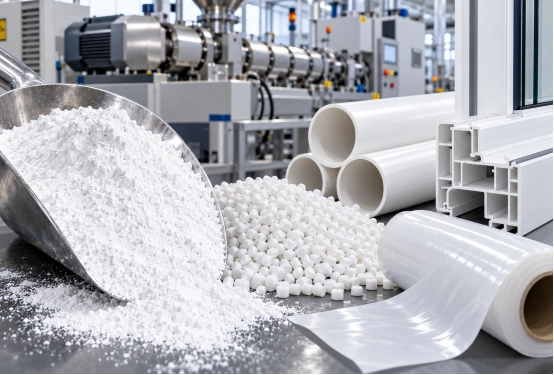
Choose titanium dioxide for plastics, PVC, and masterbatch by matching grade, whiteness, opacity, weathering, processing conditions, and end-use requirements.
Why Does Colored Concrete Change Shade After Curing?
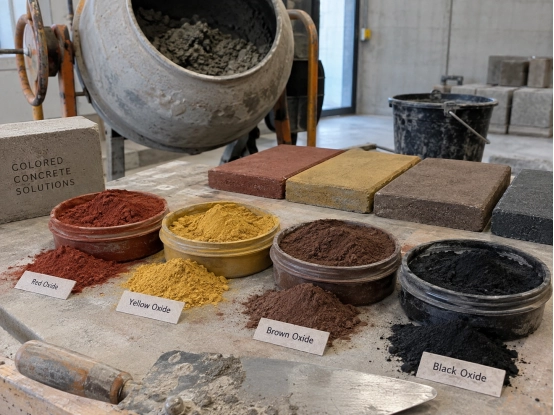
Immediately after casting, the color of colored concrete often appears darker or uneven, a state that differs from its appearance after curing. This color variation typically stems from surface moisture loss and the time required for the cement matrix to achieve optical stability, rather than from pigment loss. Should persistent color discrepancies or batch to […]
What Are the Uses of Iron Oxide Red 110 in Pigments?
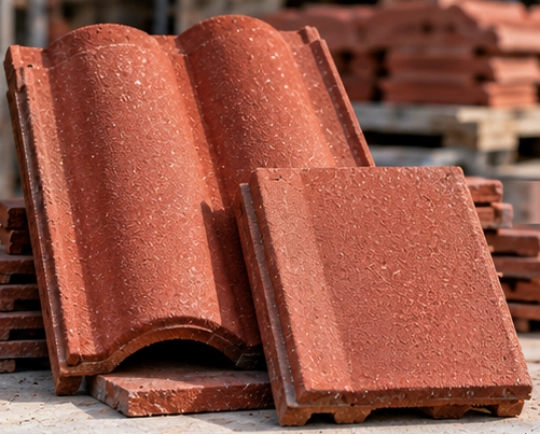
When assessing an iron oxide red pigment such as a grade sold as Red 110, consider it for red coloration in selected coatings, plastics, and construction-material formulations. Its suitability depends on the exact grade and the formulation: the name alone does not confirm shade, opacity, transparency, dispersion, processing stability, or compliance. Confirm the supplier’s technical data […]
What Is Green Iron Oxide Pigment Made From?
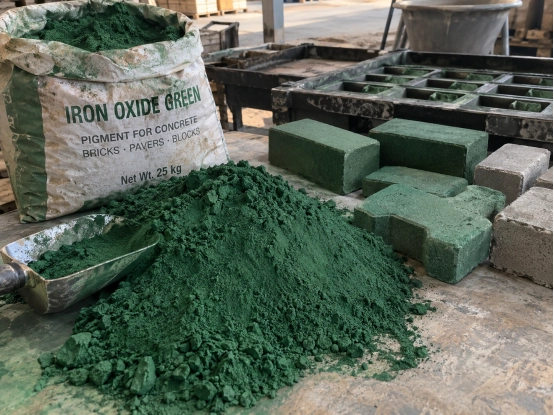
Green iron oxide sounds like the name of one chemical, but buyers should not treat it as a complete material identity. Depending on the supplier and grade, a commercial green inorganic pigment may be based on chromium oxide, a blend of several pigments, or a calcined mixed-metal oxide. Those routes can differ in heat tolerance, […]
What Affects Black Iron Oxide Price for Bulk Orders?
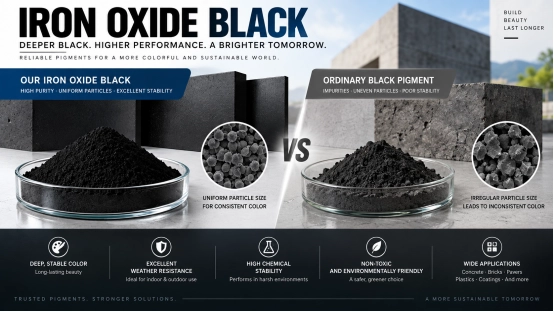
Black iron oxide price depends on more than the amount shown beside one kilogram or metric ton. A useful quotation reflects the pigment grade, the form supplied, the quantity, packaging, inspection needs, trade terms, and the route to the buyer’s plant. Two offers that appear far apart may cover different products or different portions of […]
Why Does Iron Oxide Yellow Turn Red in Plastics?
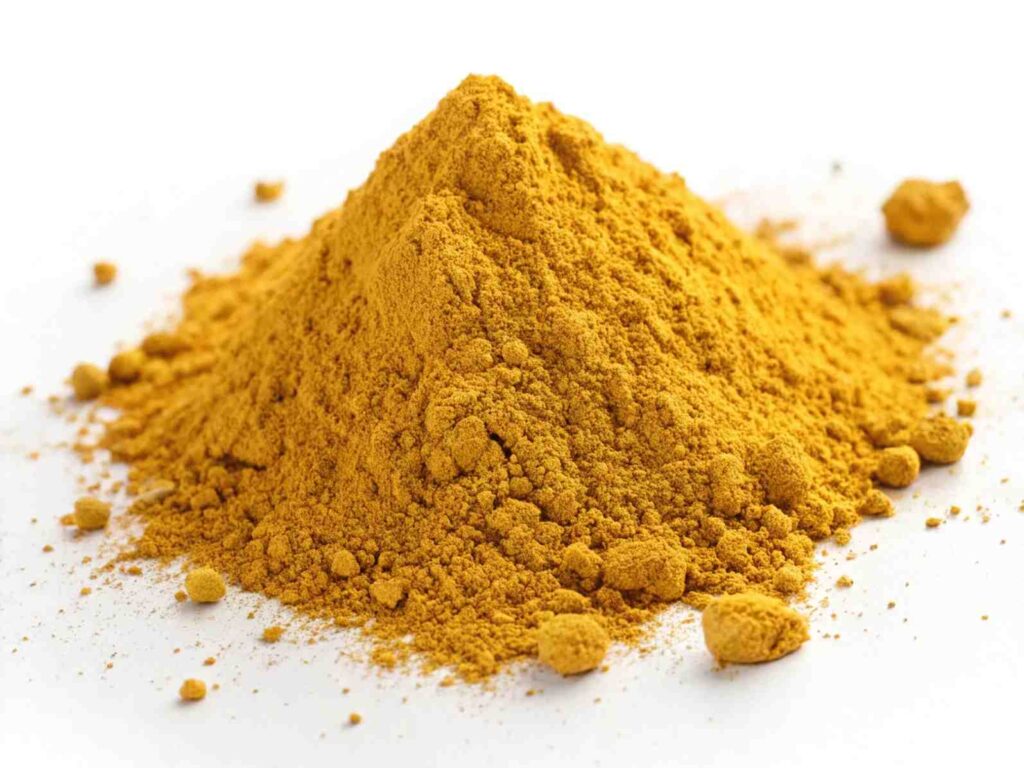
When iron oxide yellow turns red during plastic processing, the most likely cause is excessive thermal exposure. Standard yellow iron oxide is based on goethite, an iron oxyhydroxide. Enough heat can remove structural water and convert the yellow crystal toward red hematite. The practical fix is to qualify the pigment in the real resin, temperature, […]
How Does Ferric Oxide Red Perform in High-Durability Applications?
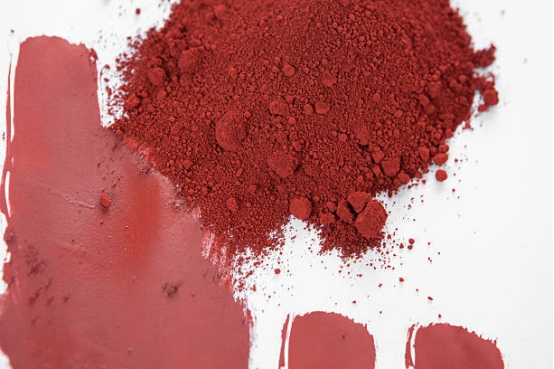
Color failure rarely appears overnight. A paving block becomes dull after a wet season. A red coating weakens on the sun-facing wall. A colored asphalt sample shifts during plant mixing. Replacement is expensive once pigment is locked into the product. Ferric oxide red is widely chosen when stable color matters more than a bright scarlet shade. […]
How Does Ferric Oxide Red Perform in High Durability Applications?
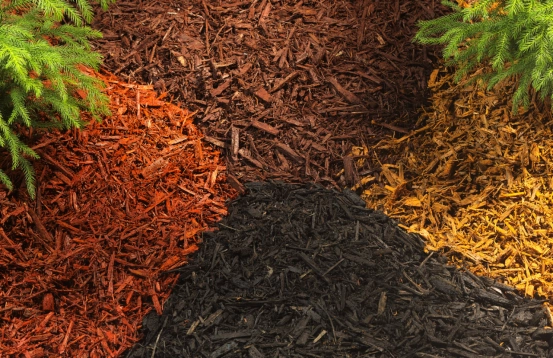
Ferric oxide red performs well in demanding color applications because its shade comes from a stable inorganic crystal rather than a dye dissolved in the material. Suitable grades resist sunlight, alkaline cement, outdoor weather, processing heat and bleeding. Ferric oxide red therefore offers excellent inherent color durability when the grade, dosage and dispersion method fit […]
What Makes Red Iron Oxide Pigment Suitable for Industrial Coloring?
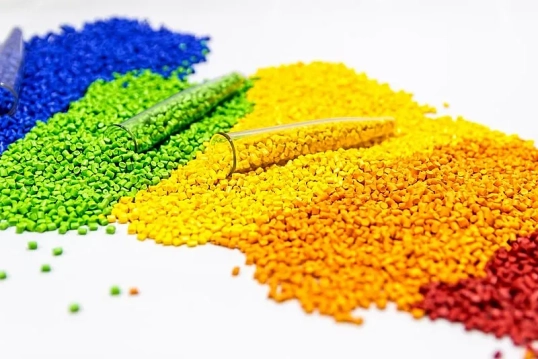
Red is easy to specify on a purchase order. Keeping it the same red after a concrete block cures, a primer dries, or a plastic profile leaves the die is harder. Industrial coloring is a process-control job. The colorant must wet out, cope with production, and behave the same way in the next batch. A […]
How Is Iron Oxide Red Used in Concrete, Coatings, and Plastics?
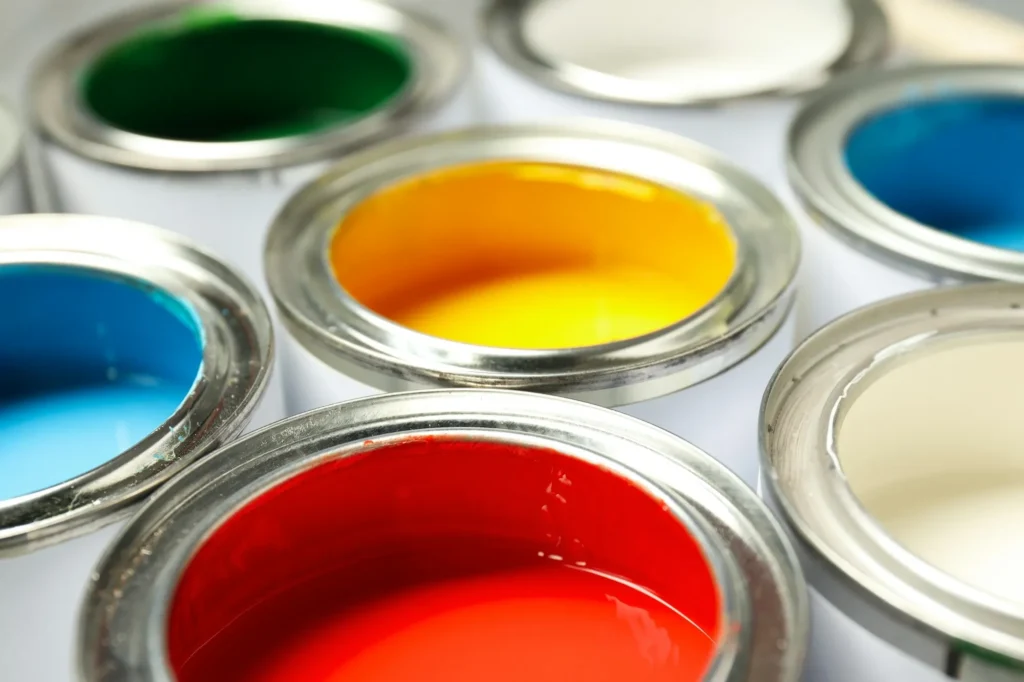
Iron oxide red is an used inorganic pigment for concrete, coatings and plastics. It gives red, brick red, terracotta and red brown colors and has good resistance, to light weather, heat and alkaline conditions. It can be added to cement based materials spread in coatings and mixed into polymers using compounding or masterbatch production. Every […]
