Skip to content
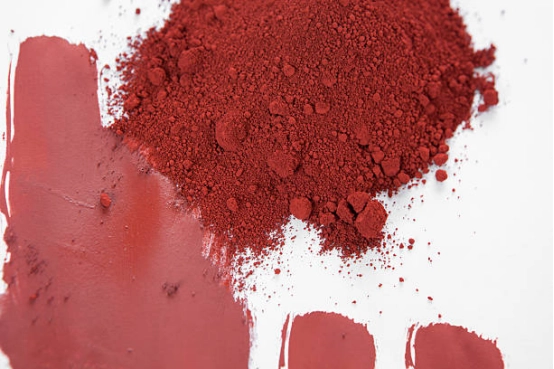
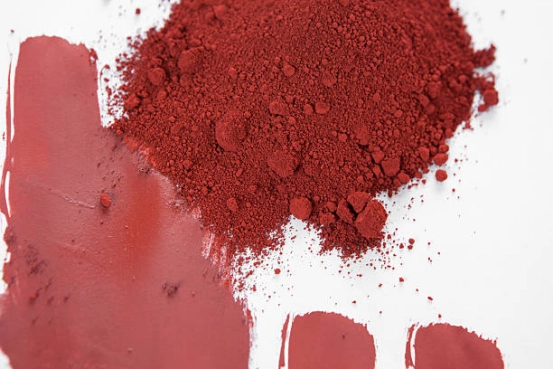
Color failure rarely appears overnight. A paving block becomes dull after a wet season. A red coating weakens on the sun-facing wall. A colored asphalt sample shifts during plant mixing. Replacement is expensive once pigment is locked into the product.
Ferric oxide red is widely chosen when stable color matters more than a bright scarlet shade. Its inorganic structure handles sunlight and alkaline materials well. It also suits many industrial processes. Performance depends on grade selection and dispersion.
How Durable Is Ferric Oxide Red?
Ferric oxide red is generally based on alpha-Fe2O3, a stable crystalline form of iron oxide.
Key performance characteristics:
- Strong lightfastness
- Good outdoor weather resistance
- Stability in alkaline construction materials
- Useful heat resistance for many industrial processes
- Low tendency to bleed or migrate
Durability belongs to the complete material. A weak resin can chalk. Poor curing can produce pale areas. Excessive heat may shift an unsuitable grade. Ferric oxide red cannot repair a failing binder.
What Determines Its Long-Term Performance?
The pigment name alone is not a specification. Exposure and production controls explain why products made with red iron oxide can age differently.
Light and Weather Exposure
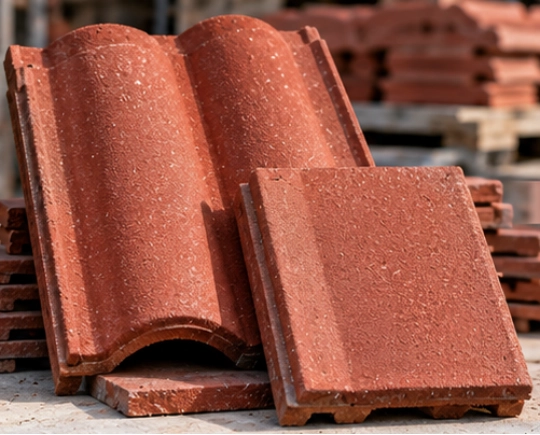
Sunlight breaks vulnerable chemical bonds in many colorants. The inorganic crystal structure of ferric oxide is far less sensitive to ultraviolet radiation. This supports its use in roof tiles. It also suits exterior concrete and mineral coatings.
Outdoor service brings rain and temperature cycling. The pigment usually remains stable, though the matrix may not. A faded paver may have surface wear or efflorescence instead of pigment degradation.
Heat and Processing Conditions
Heat resistance must match the real process. Peak temperature and residence time both matter. Other raw materials may affect shade.
In colored asphalt, local hot spots can exceed the mixer reading. Recycled plastic receives a longer heat history. A trial is more useful than a universal temperature claim.
Chemical and Alkaline Environments
Ferric oxide red is a practical choice for Portland cement products because it remains stable in a strongly alkaline matrix. This supports its use in pavers and blocks. Mortar and precast elements are common uses as well.
Unusual chemical exposure needs testing. Strong acids can attack iron oxide. For an industrial floor, test the chemicals used on site.
Particle Size, Purity and Dispersion
Particle characteristics affect shade and tinting strength. They also influence opacity and dispersibility. Fine particles may require better wetting. Agglomerates can leave specks or streaks.
This appears during scale-up. A laboratory mixer produces a clean red panel. The plant batch looks weaker because mixing energy per kilogram has fallen. Distribution was inadequate.
Where Does Ferric Oxide Red Deliver High Durability?
Each application places a different load on the pigment. Match the grade to production conditions and service life.
Concrete, Pavers and Precast Products
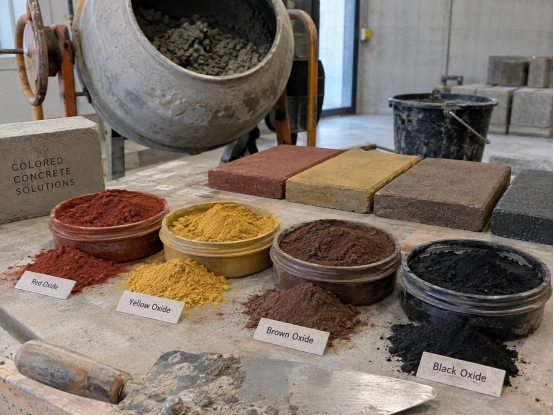
Ferric oxide red is used in concrete blocks and paving stones. It also suits roof tiles and precast panels. It survives the alkaline cement environment and produces earthy reds.
Color can move between batches. Grey cement and white cement produce different results. Water content and curing change appearance. Moisture variation may be more visible than a dosage change. Efflorescence can create a pale film while the pigment below remains sound.
Exterior and Industrial Coatings
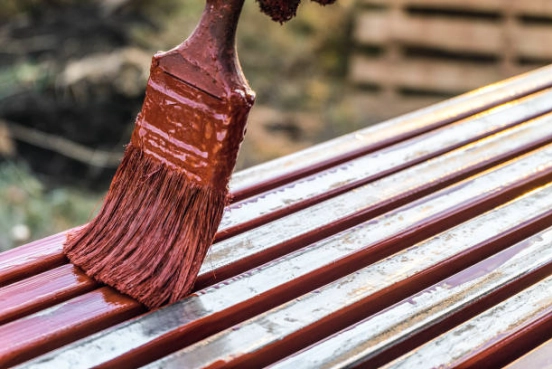
In coatings, iron oxide red pigment provides opacity and outdoor stability with low bleeding risk. It suits primers and architectural or mineral coatings where a natural red is acceptable.
The resin carries much of the durability burden. If it chalks or loses adhesion, the surface appears to fade. Film thickness and preparation count too.
Colored Asphalt and Outdoor Paving
Colored asphalt exposes pigment to mixing heat and binder contact. Traffic abrasion and weather follow.
Iron oxide red combines heat stability with outdoor permanence. Approve shade in the actual binder. Dark aggregate or bitumen can suppress red tones. Check a fresh mix and a compacted specimen after cooling.
Plastics, Rubber and Molded Products
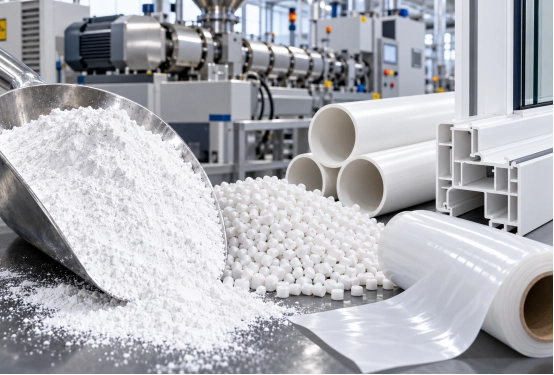
Low migration and heat stability make ferric oxide red useful in construction profiles. It also suits rubber flooring and molded components.
Compatibility checks remain necessary. Polymer color and fillers alter the result. Long residence times can shift shade. Reproduce the full heat history in testing.
How Does It Compare with Organic Red Pigments?
Ferric oxide red generally offers better weather stability and heat tolerance than many organic red pigments. It provides useful hiding power. For high-volume construction products, that balance is attractive.
| Performance factor | Ferric oxide red | Organic red pigments |
| Outdoor durability | Generally excellent | Depends on the pigment type |
| Heat resistance | Usually strong | May be more limited |
| Color appearance | Natural, earthy reds | Brighter and cleaner reds |
| Opacity | Generally useful | Varies by grade |
| Typical advantage | Long-term stability and cost balance | High color intensity |
Organic pigments can produce cleaner and brighter reds. They may be right when saturation drives the design. The trade-off can involve higher cost or tighter limits on heat and exposure. The choice depends on shade and service requirements.
How to Select the Right Ferric Oxide Red Grade
Start with the finished product rather than a dry color sample.
- Define the required shade and tinting strength.
- Identify the substrate or binder system.
- Confirm maximum processing temperature and heating duration.
- Describe outdoor, moisture, alkali or chemical exposure.
- Evaluate particle size, dispersibility and soluble impurities.
- Request batch-consistency information and relevant technical documentation.
- Conduct a sample trial in the customer’s actual formulation.
A useful supplier inquiry includes the application and target shade. Add annual volume and process temperature. XT Pigment can use these details to narrow grade options before testing.
How to Improve Performance in the Final Product
Use enough mixing energy to break agglomerates without damaging the binder. Keep dosage and water or resin ratios controlled. Test with production materials.
Visual checks help, but instrumental data gives a reliable baseline. Record color values consistently. Compare tinting strength and color difference between batches. Accelerated weathering can screen formulations. Heat-aging and alkali tests should reproduce realistic exposure.
Keep a retained production sample. It can later separate a pigment issue from surface contamination or normal wear.
Frequently Asked Questions
Q: Does ferric oxide red fade in direct sunlight?
It normally has excellent lightfastness and is widely used outdoors. Visible change may result from chalking or erosion. Efflorescence and contamination can create the same impression.
Q: Is ferric oxide red suitable for high-temperature processing?
Many grades suit elevated temperatures. The correct grade depends on temperature and heating time. Atmosphere and other ingredients matter. Confirm performance under real conditions.
Q: Why can the same pigment look different in two concrete products?
Cement color has a major effect. Dosage and water ratio change the shade. Aggregate and curing add variation. Surface finish matters too. Two factories can use the same ferric oxide red and obtain different results.
Conclusion: Match the Pigment to the Application
Ferric oxide red is a dependable option for durable concrete and coatings. It also suits colored asphalt and molded products when the grade fits the process. The useful next step is an application trial, not a broader claim.
Contact XT Pigment with your target shade, application, binder or substrate, processing temperature, exposure conditions and required volume. Our team can help you evaluate a suitable ferric oxide red grade and arrange samples for application testing.