Skip to content
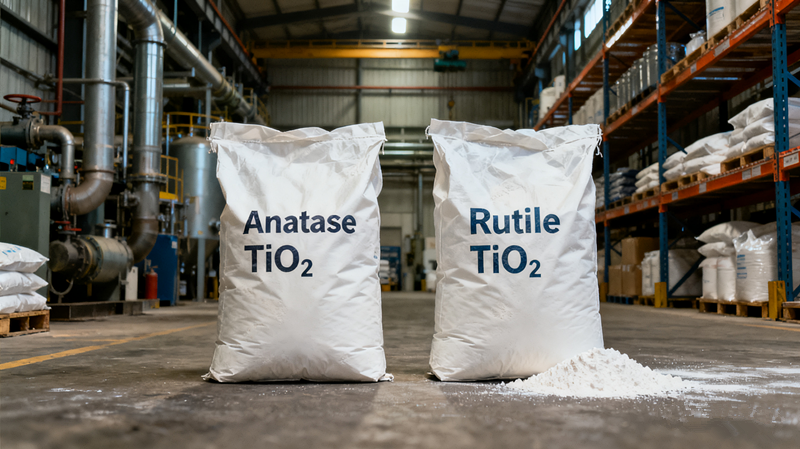
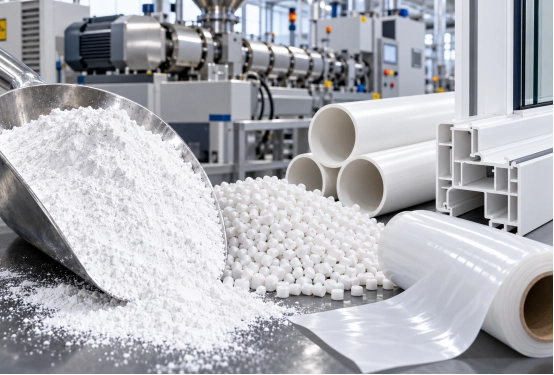
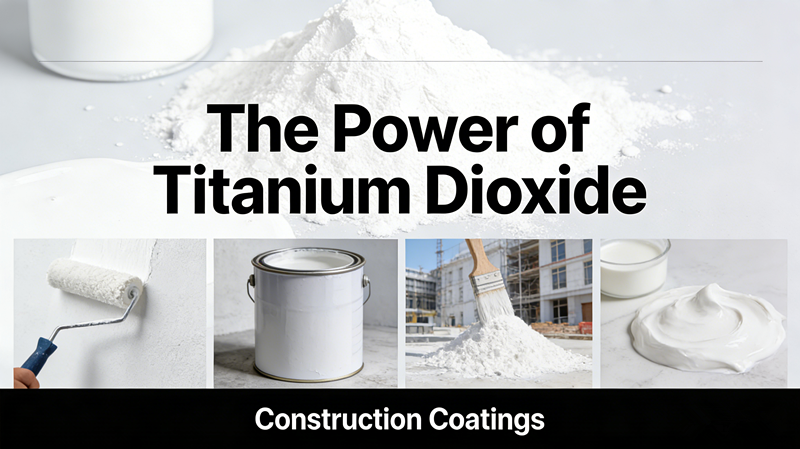
Titanium dioxide1 is an important pigment widely used in the construction industry, especially in paints, coatings, concrete, and cement product. Titanium dioxide possesses excellent hiding power and whiteness, making products appear whiter and brighter, playing a crucial role in improving the performance and lifespan of building materials.
Therefore, it is often used as a white colorant in various products, such as paints, plastics, and adhesives. Through reasonable preparation processes and the selection of additives, the efficacy and function of titanium dioxide can be maximized, improving product quality and market competitiveness.
In this article, I compare the key specifications of titanium dioxide from various perspectives to help you make the best choice.
1. Particle Size
Particle size refers to the diameter of a particle or powder. For titanium dioxide2, particle size specifically refers to the diameter of the titanium dioxide particles. The particle size directly affects the hiding power, color, gloss, and other properties of titanium dioxide.
By controlling factors such as raw material particle size3, grinding method, grinding time, and pulverizing equipment, the particle size of titanium dioxide can be controlled. Appropriate selection and control of titanium dioxide particle size can meet the needs of different applications and improve product quality.
2. Brightness and Whiteness
One of the most important characteristics of titanium dioxide1 is its whiteness. The brightness and whiteness of TiO₂ can significantly impact the final appearance of construction materials. The ASTM D-1925 standard measures the brightness index4 of the pigment, which quantifies its whiteness and light reflectance. A high brightness index (greater than 98) indicates high-quality TiO₂, providing a clean, vibrant white that enhances the aesthetic appeal of construction materials.
For applications such as exterior coatings, tiles, or precast concrete, a pure, high-brightness titanium dioxide5 is essential for ensuring that materials maintain their visual appeal over time. It also plays a critical role in the aesthetics of architectural finishes, where uniform color is a top priority.
3. Chemical Purity
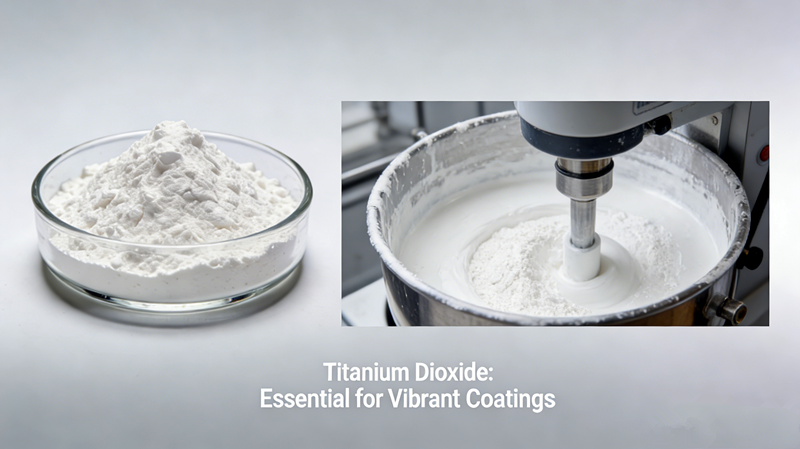
The chemical purity of titanium dioxide is crucial to the performance and lifespan of building materials. Impurities in titanium dioxide negatively impact color consistency, durability, and resistance to fading. High-purity titanium dioxide contains fewer impurities, ensuring greater product stability and superior performance under various environmental conditions.
Building materials exposed to harsh weather or UV radiation require high-purity titanium dioxide to maintain their visual and physical properties. Low-purity titanium dioxide can cause discoloration, fading, or deterioration, especially outdoors or in high-traffic areas.
4. Rutile vs. Anatase
Rutile titanium dioxide6 has a denser and more stable crystal lattice than anatase titanium dioxide, exhibiting better weather resistance, water resistance, and resistance to yellowing and chalking. However, its whiteness is slightly lower, making it suitable for manufacturing outdoor pigments. Anatase titanium dioxide7 has a larger crystal space, making it relatively unstable, with poorer weather resistance, a tendency to yellow, and a tendency to chalk. However, it has higher whiteness and is suitable for manufacturing indoor pigments.
a) The two have different crystal types. Titanium dioxide has three crystal structures: tetroxide, anatase, and rutile. Tetroxide, due to its unstable crystal structure, cannot exist stably in nature for long periods, resulting in small quantities and lack of industrial value, thus it is not used. Rutile, on the other hand, is more stable.
b) Rutile and anatase products differ in particle size distribution: Because rutile products have a more hexahedral crystal structure, they are easier to disperse evenly than anatase, forming more uniform aggregates with a narrower particle size distribution.
5. Oil Absorption
The amount of oil absorbed directly affects the viscosity of the paint. Higher oil absorption8 makes the paint thicker because a higher absorption rate indicates a higher oil or resin content in the pigment, increasing the viscosity. This directly affects the paint's flowability and film formation. Especially in vertical coating processes, higher oil absorption can improve film adhesion and verticality.
Oil absorption also affects the paint's coverage and hiding power. Coverage refers to the area that a given weight of paint can cover. Higher oil absorption means a greater amount of pigment in the paint, resulting in higher coverage. Hiding power refers to the degree to which the paint covers the substrate, i.e., the extent to which it can conceal the substrate color. Paints with higher oil absorption can better conceal the substrate color, improving the film's hiding power.
Oil absorption is also related to the paint's weather resistance and durability. Paints with high oil absorption have a higher pigment content, and the interaction between the pigment and resin is stronger, resulting in better weather resistance. The pigment particles are more evenly distributed, and the pigment and resin are more tightly bonded, providing better resistance to external erosion. Paints with low oil absorption8 have lower pigment content and therefore poorer weather resistance.
6. Dispersion and Compatibility
Effective dispersion of titanium dioxide in various substrates is essential to ensure a smooth and even application of coatings and other construction materials. Poor dispersion can result in uneven coloration, clumping, or streaks in the final product. The dispersion properties of TiO₂ are influenced by both the size of the particles and the surface treatment of the pigment.
When selecting TiO₂ for paints or coatings, it is important to choose a grade that is compatible with the intended formulation, whether it's solvent-based or water-based. Titanium dioxide with superior dispersion properties ensures that the pigment is well-mixed, contributing to a more consistent finish and better overall performance.
7. Weather and Chemical Resistance
In construction, materials are often subjected to extreme environmental conditions, such as UV exposure, moisture, high temperatures, and pollutants. Titanium dioxide used in such applications must have excellent resistance to these elements to maintain its color and performance over time.
Rutile titanium dioxide is known for its superior resistance to weathering and UV radiation, which makes it ideal for exterior applications. Whether used in exterior paint, roofing materials, or precast concrete, TiO₂ must be capable of withstanding the stresses of outdoor environments without losing its brightness or integrity. Additionally, the chemical resistance of TiO₂ ensures that it won't react with other components in the material, ensuring long-term stability.
8. Cost Considerations
While high-quality titanium dioxide is often a premium product, the cost is an important factor to consider when making a selection for construction purposes. The final cost will depend on the desired properties, such as particle size, purity, and type (rutile or anatase). In large-scale construction projects, the choice of TiO₂ can significantly affect the overall budget.
However, it's essential to balance cost with performance. Using lower-cost, lower-quality titanium dioxide might reduce upfront expenses, but it could lead to increased maintenance costs or a reduced lifespan of the materials. High-quality TiO₂, while more expensive, ensures long-term durability and fewer issues related to fading, discoloration, or poor performance.
Conclusion
When choosing the appropriate titanium dioxide for construction materials, it is necessary to comprehensively consider its core characteristics, such as particle size, whiteness, chemical purity and weather resistance.
An appropriate choice not only enhances the appearance texture of building materials, but also improves their durability and overall performance. For specific applications such as coatings, paints, or cement-based materials, professionals should select the appropriate grade of titanium dioxide based on the actual needs of the project to ensure that the final product is both sturdy and reliable in performance, thus meeting the expected requirements of the project.
-
Explore this link to understand how Titanium dioxide enhances construction materials and their longevity. ↩ ↩
-
Exploring this link will provide insights into the versatile uses and benefits of titanium dioxide in various industries. ↩
-
Understanding this concept is crucial for optimizing product quality and performance in manufacturing processes. ↩
-
Explore this link to understand how titanium dioxide enhances the quality and aesthetics of construction materials. ↩
-
Learn about the brightness index to see how it affects the quality and visual appeal of construction materials. ↩
-
Explore the advantages of Rutile titanium dioxide for outdoor applications, including its superior weather resistance and stability. ↩
-
Learn why Anatase titanium dioxide is preferred for indoor pigments, focusing on its high whiteness and crystal structure. ↩
-
Understanding oil absorption is crucial for selecting the right paint for durability and coverage. Explore this link for in-depth insights. ↩ ↩