Skip to content
When selecting pigments for paint formulations, choosing the right type of pigment is crucial to achieve the desired color, durability, and performance. Among the various pigment options available, iron oxide pigments1 stand out due to their excellent color stability2, non-toxic nature, and versatility across a range of applications.
In this article, we will guide you through the key factors to consider when choosing iron oxide pigments for paint applications, ensuring that your choice meets both aesthetic and functional requirements.
Understanding Iron Oxide Pigments
Iron oxide pigments are colors that we get from the earth. People also make iron oxide pigments3. The iron oxide pigments come in colors. Iron oxide pigments can be bright red or yellow. Iron oxide pigments can also be dark brown or black.
One of the primary advantages of iron oxide pigments is their color consistency and lightfastness4, meaning they are resistant to fading when exposed to sunlight. This makes them ideal for both indoor and outdoor applications. Additionally, iron oxide pigments are known for their chemical stability and environmental safety, which makes them suitable for use in consumer products like paints and coatings.
Key Considerations for Choosing Iron Oxide Pigments
1. Color Selection
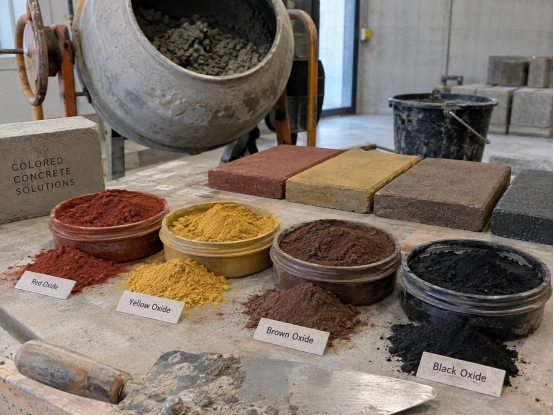
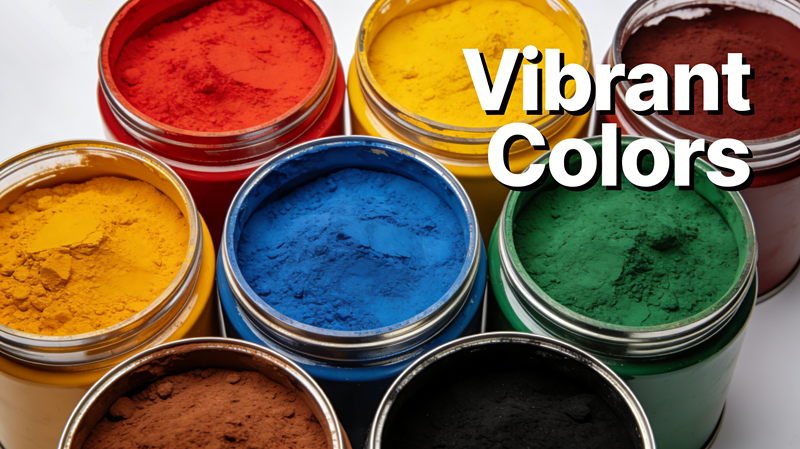
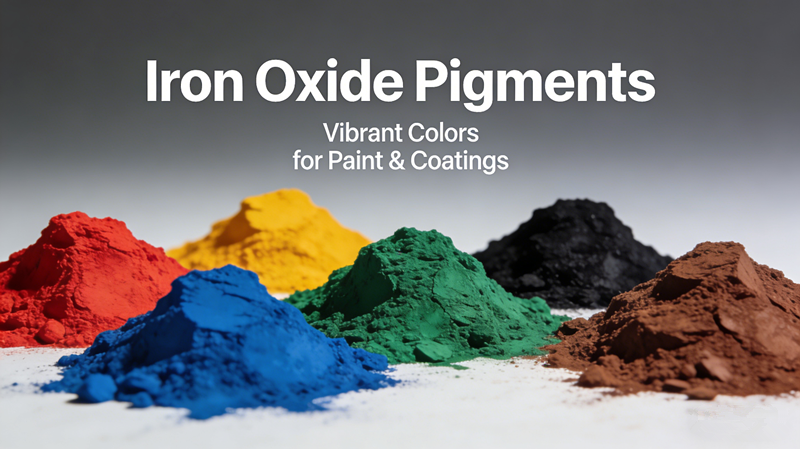
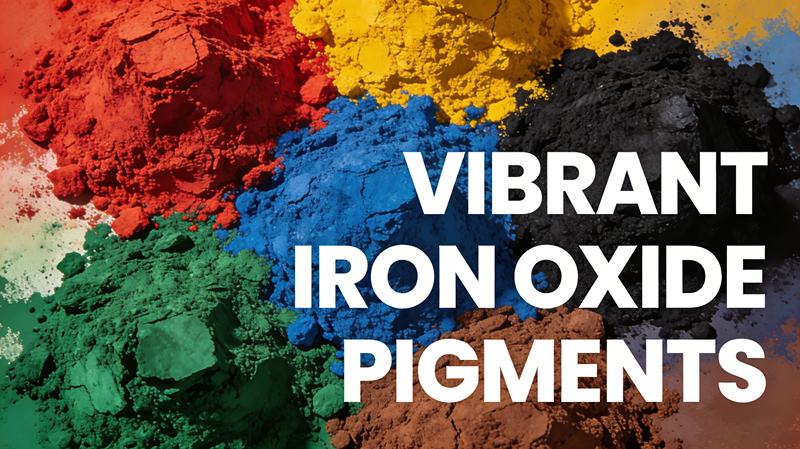
When you are picking iron oxide pigments you need to think about the color that will work best for what you're doing. Iron oxide pigments are available in a lot of colors, like red, yellow, brown and black iron oxide pigments. Each type of iron oxide pigment has its special color.
- Red iron oxide5 is a pigment that people use a lot. It looks really nice. Has a deep red color. If you want a color that's bright and you cannot see through it then red iron oxide is a good option. You can use iron oxide for painting buildings staining wood and coating bricks and stones.
- Yellow iron oxide6 is really great because it gives things a golden color. It is used a lot in buildings and decorations to make them look better. Yellow iron oxide6 is also what people usually choose for coating bricks and stones.

- Brown iron oxide is something that people often use in paints and concrete. It is also used in the coatings that you see on buildings.
- Black iron oxide is a pigment we use a lot, in cars and factories to make them look nice. Black iron oxide is also used to make things look pretty and fancy on the outside.
It is worth noting that mixing different iron oxide pigments can produce unique hues, so mixing pigments may be necessary if you want to customize colors.
2. Pigment Types: Synthetic vs. Natural Pigments
Iron oxide pigments are basically split into two groups: natural iron oxide pigments and synthetic iron oxide pigments.
- Natural iron oxide pigments come from things that occur naturally in the earth like minerals.
- On the hand synthetic iron oxide pigments are made by people, in a lab.
Synthetic iron oxide pigments are made using methods. This allows you to control the color of the iron oxide pigments. You can make sure the synthetic iron oxide pigments7 are the shade and color. Synthetic iron oxide pigments are really good for situations where you need to match a color like when you need a specific color to be just right. Synthetic iron oxide pigments are perfect, for this because you can get the color of the iron oxide pigments to match exactly.
In coating applications, synthetic iron oxide pigments are often the first choice because they offer superior color stability and perform better in terms of UV stability and weather resistance. However, for projects focused on environmental protection or seeking a softer, more natural effect, natural iron oxide pigments are also a good option.
3. Durability and Performance
Iron oxide pigments are renowned for their exceptional durability. They have high weather resistance, which makes them ideal for outdoor applications, especially for exterior paints and coatings exposed to harsh environmental conditions. These pigments are also highly resistant to UV radiation, preventing fading and degradation over time.
When selecting a pigment, it’s essential to ensure that it can withstand the specific conditions the paint will be exposed to. For example, if you're formulating paint for use in coastal areas, where exposure to salty air can accelerate corrosion, choose iron oxide pigments that are resistant to moisture and weathering.
Moreover, some iron oxide pigments are heat stable, making them suitable for applications requiring high-temperature resistance, such as industrial coatings.
4. Opacity and Coverage
When you are choosing iron oxide pigments for paint you have to think about how they can cover up the surface underneath. This is called the opacity or hiding power of the iron oxide pigment. The opacity of the iron oxide pigment is really about how the iron oxide pigment can hide what is beneath the paint. Iron oxide pigments, with opacity are very good because they mean you need to apply fewer coats of paint to get the job done.
Iron oxide pigments generally offer good opacity, especially the darker shades like red, brown, and black iron oxide. For applications where coverage is a top priority, such as industrial coatings and protective coatings, consider choosing iron oxide pigments with high opacity. If you are working with lighter applications, such as interior paints, you may opt for pigments with slightly lower opacity for a more translucent effect.
5. Chemical Composition and Compatibility
When selecting iron oxide pigments for coatings, you need to check their composition. This is crucial because it determines the pigment's compatibility with other components in the coating. Some iron oxide pigments require the use of binders or solvents in the coating. Otherwise, it will affect the coating's performance and application. You must ensure that the iron oxide pigment is compatible with other components in the coating.
For example, red iron oxide pigments generally have good compatibility with both oil-based and water-based coatings, making them widely applicable. However, other pigments may be better suited to specific types of coatings. Always consult your pigment supplier for detailed technical data sheets to ensure compatibility with your formulation.
6. Environmental and Regulatory Considerations
In today’s world, environmental sustainability plays a significant role in the decision-making process for choosing pigments. Iron oxide pigments are often favored due to their non-toxic nature and minimal environmental impact. They are compliant with many international regulatory standards and are safe for use in a wide range of applications, including consumer goods.
However, it's important to stay updated on any regulatory changes concerning pigment usage in your region. For instance, some regions have strict guidelines regarding the use of certain pigments, especially synthetic ones. Choosing environmentally friendly iron oxide pigments is not only a good business practice but also a step toward sustainability.

Conclusion
Choosing the right iron oxide pigments for paint applications involves considering several factors, including color, durability, opacity, compatibility, and environmental impact. With their excellent performance and versatility, iron oxide pigments continue to be a top choice for formulators looking for high-quality pigments. By understanding the various types of iron oxide pigments and their properties, you can select the best option for your paint formulations, ensuring both aesthetic appeal and long-lasting performance.
Whether you are working on an industrial project, architectural coatings, or decorative finishes, iron oxide pigments provide a reliable, eco-friendly, and cost-effective solution. By choosing the right pigment for the job, you can ensure that your paint meets all of the desired criteria and performs at its best, year after year.
-
Explore the advantages of iron oxide pigments, including their color stability and non-toxic nature, to enhance your paint formulations. ↩
-
Understanding color stability can help you choose pigments that maintain their hue over time, ensuring lasting quality in your paint. ↩
-
Explore this link to understand how iron oxide pigments enhance color consistency and durability in various applications. ↩
-
Discover why these properties are crucial for maintaining vibrant colors in products exposed to sunlight. ↩
-
Explore this link to understand how Red iron oxide can enhance your painting projects with its vibrant color and opacity. ↩
-
Discover the various applications of Yellow iron oxide in construction and decoration to elevate your design projects. ↩ ↩
-
Explore this link to understand the versatility and benefits of synthetic iron oxide pigments in various applications. ↩