Skip to content
In the door manufacturing industry, weather resistance1 is of paramount importance. This is because it affects how long the doors last, how they look, and if the customers are happy with them. Doors that are used outside — like the door you enter your house through, your garage door, and the door that slides to your patio — are exposed to a lot of things that can hurt them. They have to deal with sunlight, rain, and big changes in temperature. They are also exposed to pollution. All these things can make the doors look bad and fall apart over time. They can fade, get a white stuff on them, crack, and the surface can fail. This happens to doors made of materials when they are outside for a long time. Weather resistance is important for doors, like entry doors, garage doors, and patio sliders.
One proven technology that enhances weather resistance in door products is the incorporation of titanium dioxide (TiO₂) pigments2. These pigments play a critical role in improving color stability, UV resistance, and overall durability when used in coatings, composite materials, and plastic door components. In this article, we’ll explore how titanium dioxide pigments contribute to weather resistance, supported by multiple case studies from real-world applications.
What Is Titanium Dioxide Pigment?
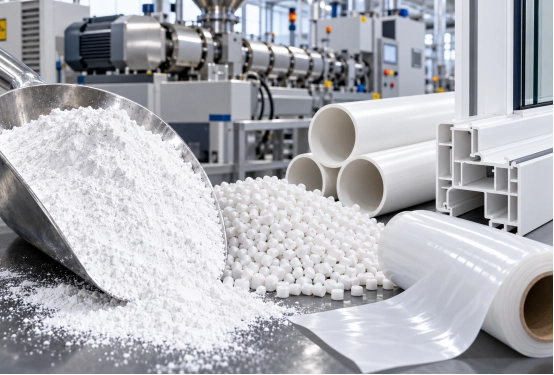
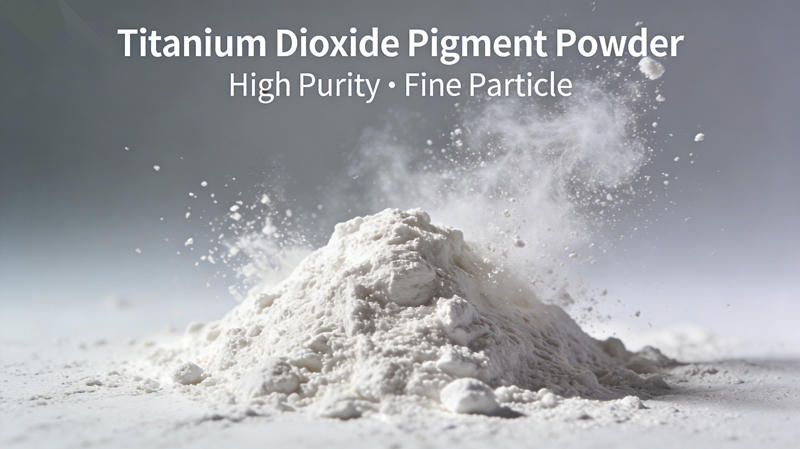
Titanium dioxide is an useful white pigment. It is used in a lot of industries because it is very good at covering things up and it stays bright.
In things like paint and plastic, titanium dioxide3 helps to scatter light. This means it can hide the color of the thing and make the finish look nice and even.
For things that are used outside, titanium dioxide3 is especially important. It protects the material from the effects of the sun's ultraviolet radiation. This helps to stop the material from breaking down quickly.
How Titanium Dioxide Pigments Improve Weather Resistance
1. Enhanced UV Protection
UV radiation from sunlight is one of the primary causes of surface degradation. It breaks down organic binders in coatings and polymers, leading to color fading and loss of mechanical strength.
- Mechanism: Titanium dioxide pigments4 act as tiny UV shields, absorbing and scattering harmful rays before they penetrate into the material. This mechanism substantially reduces the rate of photochemical degradation.
- In coatings: TiO₂ minimizes color shift and gloss reduction over time.
- In plastic door components: It protects polymer chains from UV-induced rupture.
- Benefit: By enhancing UV resistance, TiO₂ significantly extends the service life of outdoor doors, reducing maintenance costs and improving long-term aesthetics.
2. Improved Color Retention
Doors are not only functional but also an important aesthetic element of a building’s exterior. Over time, sunlight exposure can cause colors to fade, especially in dark or vibrant tones.
Titanium dioxide pigments improve color retention by:
- Reflecting high-energy wavelengths that contribute to fading
- Providing uniform opacity that ensures consistent color distribution
- Reducing thermal stress on coatings and underlying materials
This is especially important for doors with high-contrast finishes or branded color specifications.
3. Superior Opacity and Hiding Power
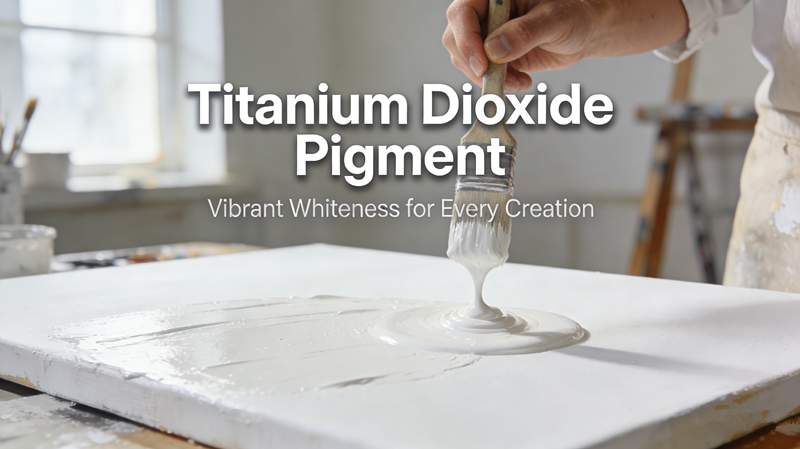
Good hiding power means fewer coatings are needed to achieve full surface coverage. Titanium dioxide pigments have one of the highest refractive indices among commercial pigments, which makes them extremely effective at scattering light.
For door coatings, this results in:
- Thicker, more consistent film build per coat
- Reduced material usage due to efficient coverage
- Better protection against moisture and pollutants
This property contributes both to performance and cost-effectiveness in manufacturing.
Case Studies: Titanium Dioxide Pigments in Action
Below are industry case studies demonstrating how titanium dioxide pigments enhance weather resistance in door products across different materials and markets.
Case Study 1: Aluminum-Clad Exterior Doors in Northern Europe
- Background: A major European door manufacturer supplying homes in Scandinavia and the UK saw frequent complaints about color fading and chalking on aluminum-clad exterior doors after just 2–3 years of exposure to harsh winter and summer conditions.
- Solution: The company reformulated its coatings system by increasing TiO₂ pigment loading in its polyurethane topcoat and switching to a high-performance rutile TiO₂ grade known for excellent UV durability.
- Results:
- Color retention improved by 40%, verified through accelerated weathering tests.
- Chalking index reduced, improving surface appearance over long-term exposure.
- Warranty claims related to surface degradation dropped by over 50% in the first year after implementation.
- Key Takeaway: High-quality TiO₂ pigments5 in protective coatings6 can dramatically improve weather resistance even in extreme climates.
Case Study 2: Fiberglass Entry Doors in the Southern United States
- Background: A North American door brand specializing in fiberglass entry doors experienced excessive heat build-up and surface cracking in southern states with high UV index and prolonged sunlight exposure.
- Solution: The manufacturer integrated titanium dioxide pigments into the gel coat layer of its fiberglass skin to increase reflectivity and block UV penetration.
- Results:
- Thermal imaging showed a 10–15% reduction in surface temperature under direct sunlight.
- Micro-cracking and surface deterioration were significantly reduced during outdoor testing.
- End-user satisfaction scores increased in heat-prone regions.
- Key Takeaway: Titanium dioxide pigments do not just protect against UV; they also improve thermal performance of door surfaces.
Case Study 3: PVC Patio Doors with Enhanced Longevity
- Background: A patio door producer serving coastal regions reported color faded frames and loss of gloss due to salt spray and sun exposure.
- Solution: Engineers incorporated a specialized TiO₂ pigment blend into the PVC compound itself, rather than relying solely on surface coatings.
- Results:
- Frames retained over 80% of original color and gloss after simulated coastal weathering tests.
- Structural integrity of the PVC profiles remained in excellent condition, with minimal embrittlement.
- Customer feedback highlighted improved durability compared to competitor products.
- Key Takeaway: Pigment integration within the base polymer can offer deeper protection than surface coating alone.
Case Study 4: Industrial Garage Doors in Desert Environments
- Background: An industrial warehouse operator in desert regions needed garage doors that would withstand high daytime temperatures and intense ultraviolet exposure without frequent repainting.
- Solution: The door manufacturer redesigned its paint system to include a high-grade titanium dioxide pigment with enhanced scattering efficiency and added UV stabilizers.
- Results:
- Paint systems showed 60% less chalking and fading after 2,000 hours of QUV testing.
- Maintenance cycles were extended by up to two years, lowering total cost of ownership.
- Facility managers reported improved appearance and performance consistency.
- Key Takeaway: Combining TiO₂ pigments with UV stabilizers maximizes the protective effect in extreme environments.
Selecting the Right Titanium Dioxide Pigment
When it comes to door products, not all Titanium Dioxide pigments are the same. For door product applications manufacturers should think about the following things:
- Crystal Structure (Rutile vs. Anatase): When it comes to Rutile and Anatase, Rutile is usually the choice. This is because Rutile grades are really good at handling kinds of weather. They can withstand the elements better than Anatase. So if you need something that can deal with the weather, Rutile is the way to go. Rutile is just better at resisting the weather.
- Particle Size and Distribution: The size of the particles and how they are spread out is really important. This is because it helps the particles scatter light better and it also makes the surface look smoother. The particle size and distribution is what does this. It optimizes how well the particles scatter light and it optimizes the surface finish.
- Surface Treatment: The surface treatment helps the material mix in better with coatings and polymers. This makes it work well with these things. The surface treatment is really good at making sure the material is compatible with coatings and polymers.
Partnering with a reputable supplier ensures consistent pigment quality and performance tailored to specific weather resistance requirements.
Conclusion
In door product manufacturing, weather resistance7 is a key differentiator that affects durability, customer satisfaction, and market competitiveness. Titanium dioxide pigments play a vital role in protecting door materials and coatings from UV radiation, thermal stress, and environmental degradation. Real-world case studies from Europe, North America, and coastal environments demonstrate that integrating TiO₂ pigments leads to measurable improvements in color retention, surface integrity, and long-term performance.
For manufacturers seeking to enhance the weather resistance of their door products, investing in high-quality titanium dioxide pigments8 — optimized for your specific materials and environmental conditions — can deliver significant value across product lifecycles, warranty performance, and brand reputation.
-
Understanding weather resistance is crucial for ensuring the longevity and aesthetic appeal of doors, making this resource invaluable for manufacturers. ↩
-
Exploring the role of TiO₂ pigments can provide insights into advanced materials that improve door durability and performance. ↩
-
Exploring this link will provide insights into the versatile applications and advantages of titanium dioxide across different sectors. ↩ ↩
-
Explore how Titanium dioxide pigments work to enhance UV resistance and prolong the life of your products. ↩
-
Explore this link to understand how TiO₂ pigments enhance durability and performance in coatings, crucial for extreme weather conditions. ↩
-
Discover insights on protective coatings and their role in enhancing weather resistance, vital for long-lasting exterior applications. ↩
-
Learn more about the importance of weather resistance in manufacturing to improve customer satisfaction and market competitiveness. ↩
-
Explore this link to understand how titanium dioxide pigments enhance product durability and performance in various environments. ↩