Skip to content
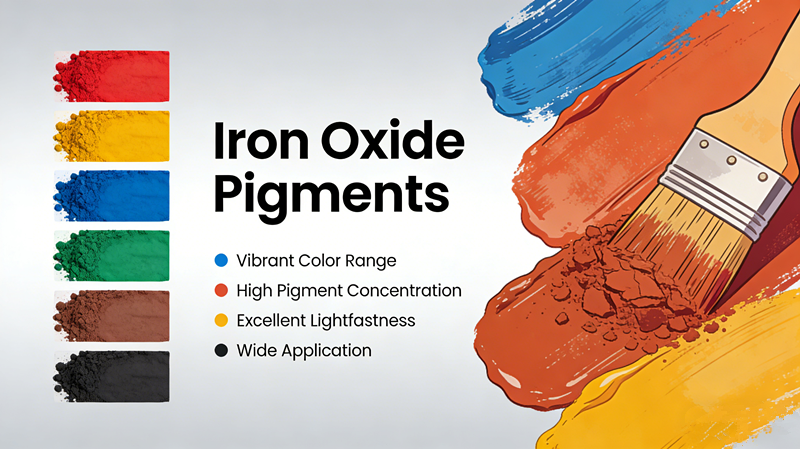
In modern architecture, aesthetics and durability are no longer independent considerations. Cement products, such as paving bricks, now require both superior structural performance and lasting visual appeal. Pigments play a crucial role in achieving this balance. By integrating color directly into the cement matrix, manufacturers can produce visually consistent, weather-resistant, and value-added products suitable for urban infrastructure, landscaping, and architectural applications.
Pigments used in cement and paving bricks must meet stringent performance standards. They must be able to withstand highly alkaline environments, resist UV degradation, maintain color stability over long periods, and not negatively impact the mechanical strength of concrete. Therefore choosing the color solution is key, to making high-quality products and efficient production.
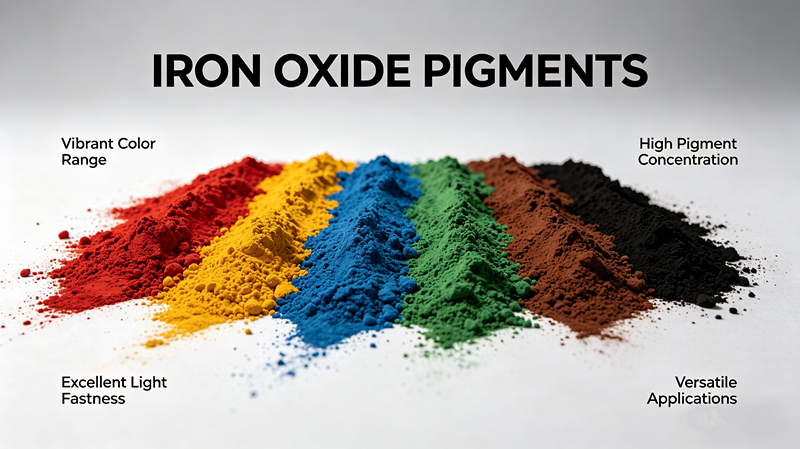
Understanding Pigments in Cement Applications
Pigments for cement are usually really powders or liquid mixtures that people add when they mix the cement. Their purpose is to impart uniform color throughout the entire concrete mass rather than just the surface. This integral coloring ensures that even if the surface wears, the color remains consistent.
Cement pigments are usually fine powders that people add when they mix cement. The main reason for using cement pigments is to get a color that's the same all through the cement not just on the outside. This means that the color of the cement stays the same even when the outside gets worn away.
Cement pigments are divided into two main categories:
- Inorganic pigments (this is the most common type)
- Organic pigments (used less frequently due to their lower stability)
Inorganic pigments, especially those made from metal oxides, are widely used in the cement industry. This is because inorganic pigments are very stable and can withstand the erosion of air and water without changing, thus extending the lifespan of the cement pigment. Furthermore, inorganic pigments can withstand the highly alkaline environment of cement.
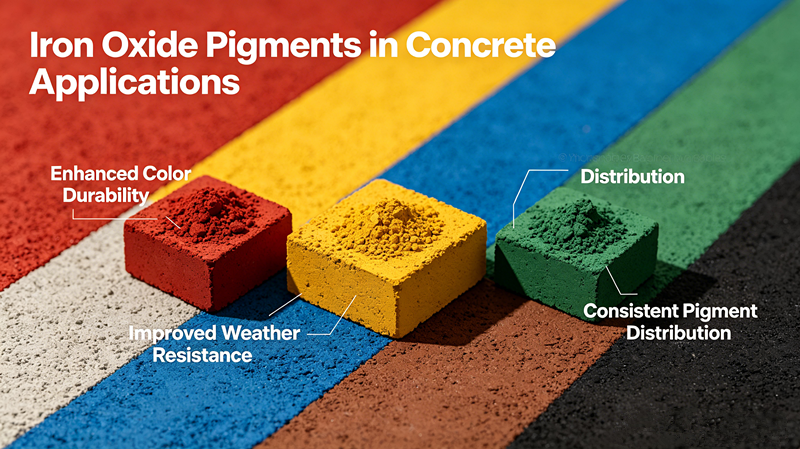
Iron Oxide Pigments: The Industry Standard
Iron oxide pigments are the most widely used solution for coloring cement and paving blocks. Their popularity is driven by a combination of performance, cost efficiency, and versatility.
Key Advantages
-
Excellent Color Stability
Iron oxide pigments are highly resistant to UV radiation, weathering, and chemical exposure. This ensures long-term color retention even in outdoor applications. -
Strong Tinting Strength
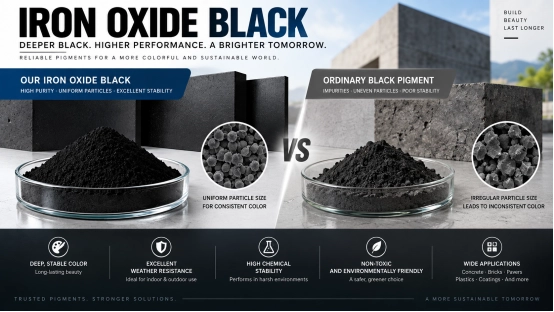
Their fine particle size allows for uniform dispersion, resulting in consistent and vivid coloration across the entire concrete product. -
Wide Color Range
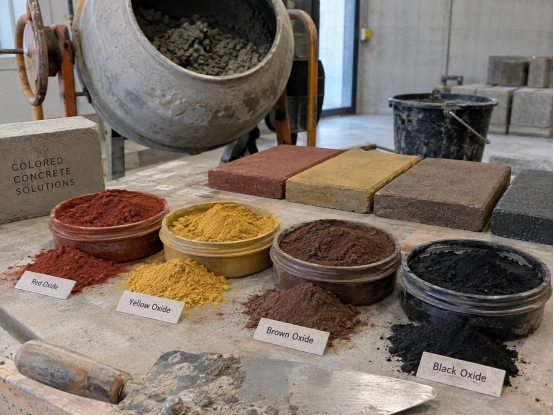
Common shades include red, yellow, black, and brown, which can be blended to create a variety of earth tones widely used in paving and landscaping. -
Cost-Effective Solution
Compared to other pigments, iron oxides offer a strong balance between price and performance, making them ideal for large-scale production. -
Compatibility with Cement Systems
They do not interfere with cement hydration or mechanical strength when used within recommended dosage levels (typically 1–10%).

Typical Applications
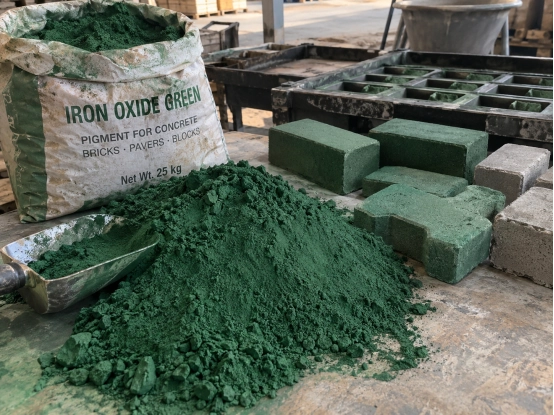
- Interlocking paving blocks
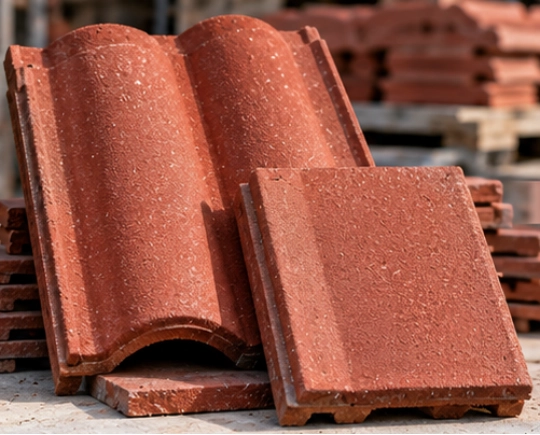
- Concrete bricks and tiles
- Decorative slabs and curbstones
- Precast concrete elements
Because of these advantages, iron oxide pigments are considered the "workhorse" of the construction pigment industry.
Titanium Dioxide: Brightness and Functional Performance
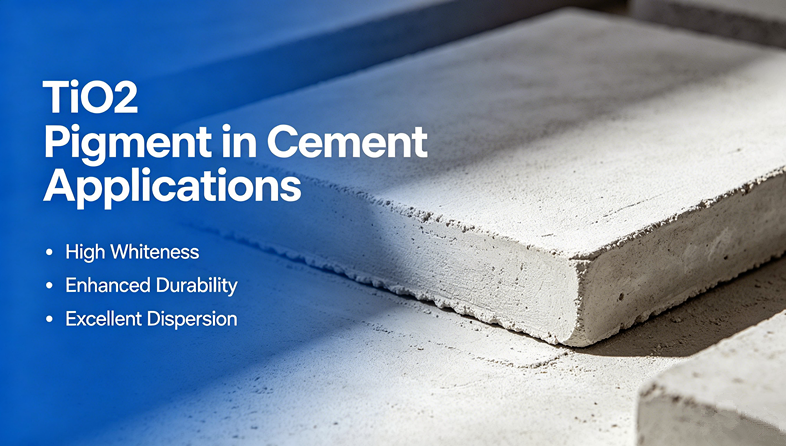
Titanium dioxide (TiO₂) is primarily used as a white pigment in cement applications. While less common than iron oxide for coloring, it plays a crucial role in specific use cases.
Key Benefits
-
High Brightness and Opacity
Titanium dioxide provides excellent whiteness and hiding power, making it ideal for producing bright or pastel-colored concrete products. -
UV Resistance and Durability
It reflects UV radiation and enhances the longevity of colored surfaces, especially in outdoor environments. -
Thermal Performance (Cool Pigments)
TiO₂-based pigments can reflect solar radiation, reducing heat absorption in urban pavements and contributing to energy-efficient infrastructure.
Limitations
- Higher cost compared to iron oxide
- Often requires white cement base for best results
- Limited use as a standalone coloring pigment
Applications
- White or light-colored paving blocks
- Architectural concrete
- Reflective or "cool" pavements
Carbon Black and Specialty Pigments
Beyond iron oxide and titanium dioxide, other pigments are used for specific color effects or niche applications.
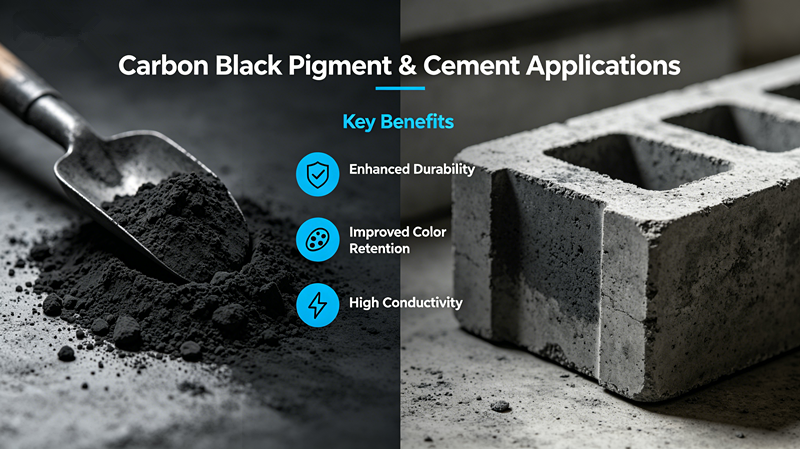
Carbon Black
- Provides deep black coloration
- High tinting strength
- Economical option
However, it may suffer from color fading or leaching in outdoor conditions if not properly sealed.
Chromium Oxide (Green) & Cobalt Oxide (Blue)
- Used for specialty colors
- High chemical stability
- Significantly higher cost
These pigments are typically reserved for decorative or high-end architectural projects due to their price.
Key Factors When Choosing Pigment Solutions
Selecting the best pigment solution for cement and paving blocks requires balancing multiple technical and commercial considerations.
- Alkali Resistance – Cement is highly alkaline, so pigments must remain stable without chemical degradation.
- Lightfastness and Weather Resistance – Outdoor applications demand pigments that resist UV exposure and environmental changes.
- Dispersion and Particle Size – Fine, uniform particles ensure even color distribution and prevent streaking.
- Dosage Efficiency – Higher tinting strength reduces pigment consumption and lowers production cost.
- Impact on Concrete Performance – Pigments should not negatively affect compressive strength, setting time, or durability.
Best Practices for Pigment Application
To get results when making cement and paving blocks you should do things in a certain way. Manufacturers need to follow these practices for Pigment Application:
- Always mix things in the same way so the color does not change
- Use quality materials like cement and the tiny rocks that go into the mix
- Make sure the water content is just right because much water can make the color not so strong
- Try a small test batch before you make a lot of blocks
- If you want the colors to be really bright use cement for the Pigment Application
Additionally, uniform mixing and proper curing are essential to ensure color consistency and long-term performance.
Conclusion
When you are making cement and paving blocks you need to pick the pigment solution. This is a decision because it affects how good your product is, how long it lasts and how well it sells. Out of all the options you have iron oxide pigments are still the choice for big projects. They are reliable. Do not cost too much.
Titanium dioxide is also good because it makes things look brighter and it works with heat. There are also pigments that let you make really unique designs.
As cities keep changing and people want things to look nicer and be better for the environment the need for pigment solutions will keep growing. The people who make cement and paving blocks need to know about pigments and use them correctly. This way they can make products that last look good and sell well.
In the end, the best pigment solution is not just about color—it is about performance, consistency, and long-term value.