Skip to content

In the precast concrete industry, surface quality and production efficiency are critical. One often overlooked but essential material is release powder. Choosing the right release powder can directly affect mold performance, product appearance, and overall production cost.
For manufacturers of concrete blocks, paving stones, and structural precast elements, understanding how to select the right release powder is a practical step toward improving consistency and reducing defects.
This article explains what release powder is, why it matters, and how to choose the right type for your precast concrete operations.
What Is Release Powder?
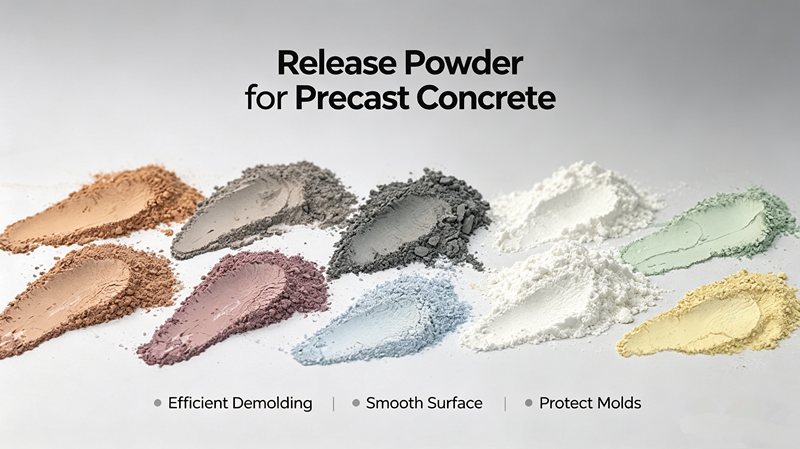
Release powder is a stuff that people put on molds before they pour or press concrete. The main thing it does is stop the concrete from sticking to the mold. This makes it easy to get the concrete out of the mold. It helps keep the mold and the concrete in good shape.
People use release powder a lot in places where they make things and they have to use the same molds over and over. The release powder makes a layer between the mold and the concrete. This helps the concrete come out smoothly. It stops problems like sticking or tearing or the concrete having a bad texture. Release powder is really useful, in these places because it helps make sure the concrete turns out right and the molds do not get damaged.
Why Release Powder Matters in Precast Production
Using the correct release powder offers several benefits:
- Improves surface finish: A suitable powder helps produce smooth and consistent surfaces without stains or marks.
- Extends mold life: Reduces wear and tear on molds, especially steel and rubber molds.
- Enhances production efficiency: Faster and easier demolding reduces downtime.
- Reduces defects: Prevents sticking, cracking, and edge damage.
- Supports clean operations: Less residue buildup means easier mold cleaning.
For large-scale precast operations, even small improvements in demolding performance can lead to significant cost savings.
Types of Release Powder
There are several types of release powders available in the market. Choosing the right one depends on your production process and product requirements.
1. Mineral-Based Release Powder
This type is made from natural minerals such as talc or limestone. It is widely used due to its low cost and stable performance.
Key features:
- Good anti-sticking properties
- Cost-effective for large production
- Suitable for standard concrete products
Limitations:
- May leave visible residue on the surface
- Not ideal for high-end decorative concrete
2. Synthetic Release Powder
Synthetic powders are engineered materials designed for better performance and consistency.
Key features:
- Fine particle size and uniform distribution
- Cleaner surface finish
- Lower residue compared to mineral powders
Best for:
- High-quality precast elements
- Decorative or colored concrete
3. Pigmented Release Powder
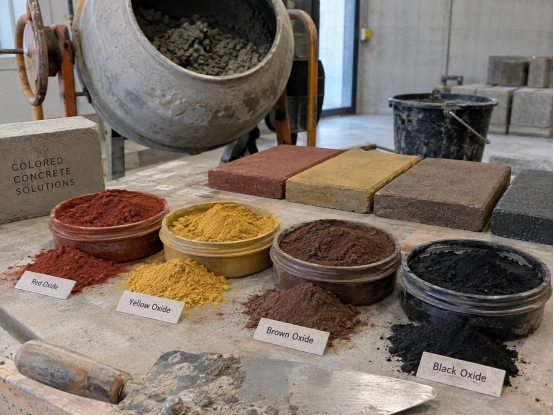
Pigmented release powder contains added color pigments. It serves both as a release agent and a coloring material.
Key features:
- Enhances surface appearance
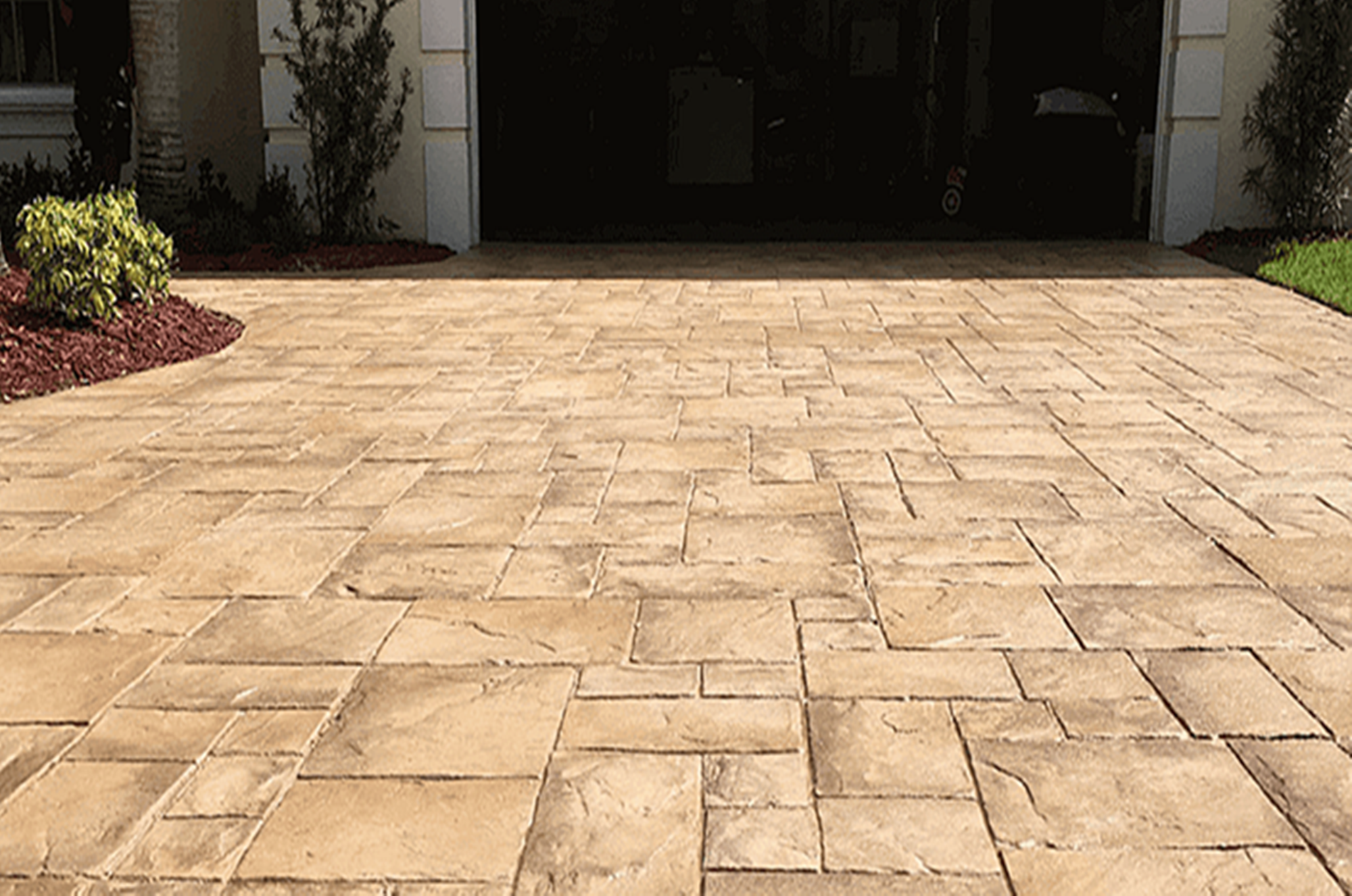
- Creates antique or textured effects
- Common in stamped or decorative concrete
Applications:
- Paving stones
- Landscape products
- Architectural concrete
Key Factors to Consider When Choosing Release Powder
Selecting the right release powder is not only about price. Several technical and operational factors should be considered.
1. Mold Material
Different molds require different release performance.
- Steel molds: Need powders with good lubrication to prevent sticking
- Rubber or plastic molds: Require gentle, non-abrasive powders
- Wood molds: Benefit from powders that reduce moisture absorption
Always match the release powder to your mold type to avoid damage and ensure consistent results.
2. Concrete Mix Design
The composition of your concrete mix affects how it interacts with the mold.
- High cement content may increase sticking risk
- Wet mixes require stronger release properties
- Dry-cast concrete may need lighter application
Testing compatibility between the release powder and your mix is essential.
3. Surface Quality Requirements
If your product requires a smooth, clean finish, choose a powder with minimal residue.
- For structural elements: standard powders may be sufficient
- For decorative products: use fine, high-purity powders
- For colored concrete: ensure the powder does not affect color consistency
4. Application Method
Release powder can be applied manually or using automated systems.
- Manual application: requires easy-to-spread powders
- Spray systems: need fine and uniform particle size
- Dust control: low-dust powders improve working conditions
Choosing a powder that fits your application method helps maintain efficiency and worker safety.
5. Environmental and Safety Considerations
Modern production environments require attention to health and environmental impact.
- Low-dust formulations reduce air pollution
- Non-toxic materials improve worker safety
- Easy-to-clean powders reduce waste
Some manufacturers prefer eco-friendly release powders to meet regulatory requirements and sustainability goals.
Common Mistakes to Avoid
When selecting and using release powder, avoid these common issues:
- Over-application: Too much powder can cause surface defects and reduce product quality
- Wrong type selection: Using mineral powder for decorative products may lead to poor results
- Ignoring compatibility: Not testing with your concrete mix can lead to sticking problems
- Poor storage: Moisture can affect powder performance
A controlled and consistent application process is key to achieving the best results.
Practical Tips for Better Results
- Always test new release powder on a small batch before full production
- Apply a thin and even layer to avoid buildup
- Clean molds regularly to maintain performance
- Store powder in a dry environment
- Work with reliable suppliers who can provide technical support
Conclusion
Choosing the release powder for precast concrete is a big deal. It helps make products and gets the job done faster. To pick the one you need to think about the kind of mold you are using the mix of the concrete what the surface needs to be like and how you are going to apply it.
A well-chosen release powder not only prevents sticking but also enhances the overall performance of your precast operation. For businesses focused on consistent quality and long-term cost control, this is a small investment with a significant impact.
As the precast industry continues to demand higher standards, selecting the right materials becomes increasingly important. Release powder is one of those key materials that should not be overlooked.