Skip to content
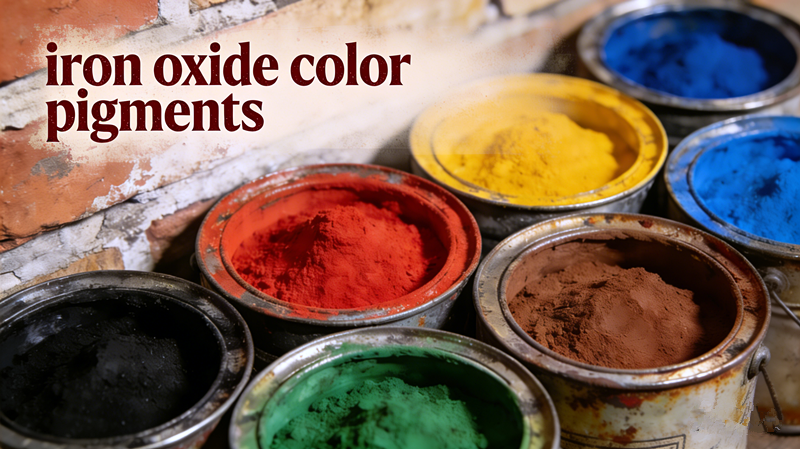
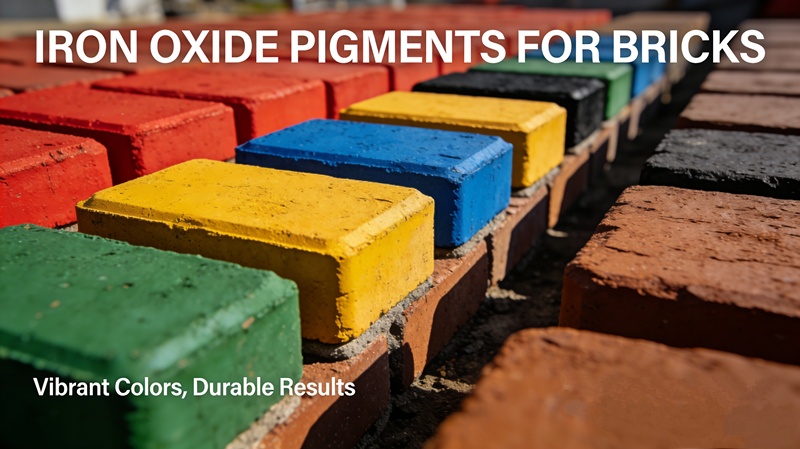
Iron oxide pigments are really common in making all sorts of things. People like them because they last a time and do not cost too much. Lots of industries like construction and making plastics use iron oxide pigments to get the color they want.
For people who buy these pigments for their work it is an idea to know how they work and which kind to use. This can make a difference, in how good the final product is and how fast it can be made. This guide will tell you about the kinds of iron oxide pigments what they are used for and what to think about when you are buying them.
What Are Iron Oxide Pigments?
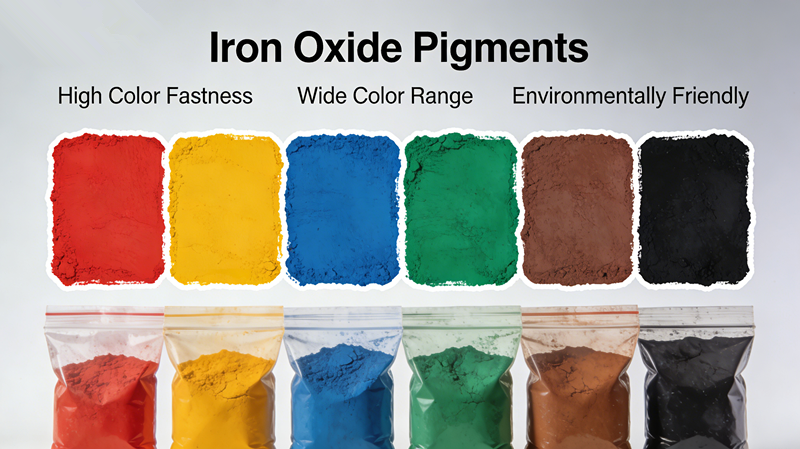
Iron oxide pigments are inorganic compounds derived from iron. They are commonly produced through synthetic chemical processes or obtained from natural mineral sources. These pigments are known for their strong tinting strength, excellent weather resistance, and chemical stability.
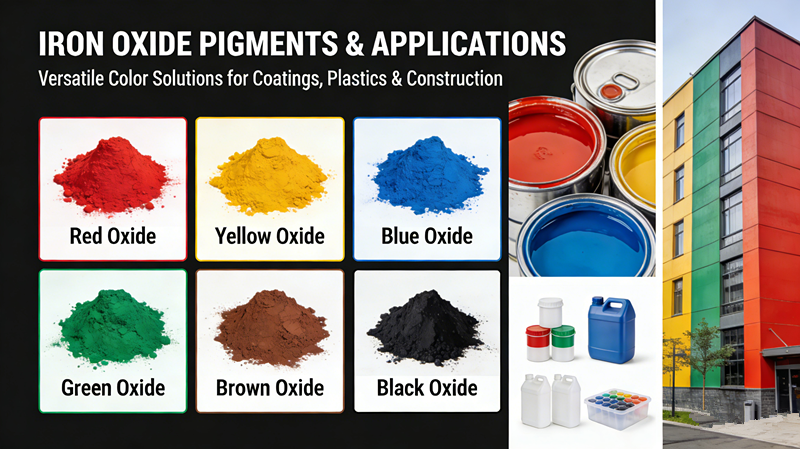
The three main colors of iron oxide pigments are:
- Red
- Yellow
- Black
By blending or modifying these base pigments, manufacturers can also produce shades such as brown, orange, and green.
Compared with many organic pigments, iron oxide pigments offer superior resistance to heat, UV exposure, and alkaline environments. This makes them especially suitable for building materials and outdoor products.
Main Types of Iron Oxide Pigments
Industrial buyers typically encounter several common types of iron oxide pigments. Each type has specific characteristics and application advantages.
Iron Oxide Red
Iron oxide red is the pigment that people use the most in the construction business. It makes things look very red. It lasts a long time.
Key characteristics of iron oxide red include:
- Tinting strength
- Good lightfastness
- Strong resistance to weathering
- It is stable in cement and in alkaline environments
Things that use iron oxide red include:
- Concrete products
- Clay bricks
- Roof tiles
- Paving stones
- Cement-based materials
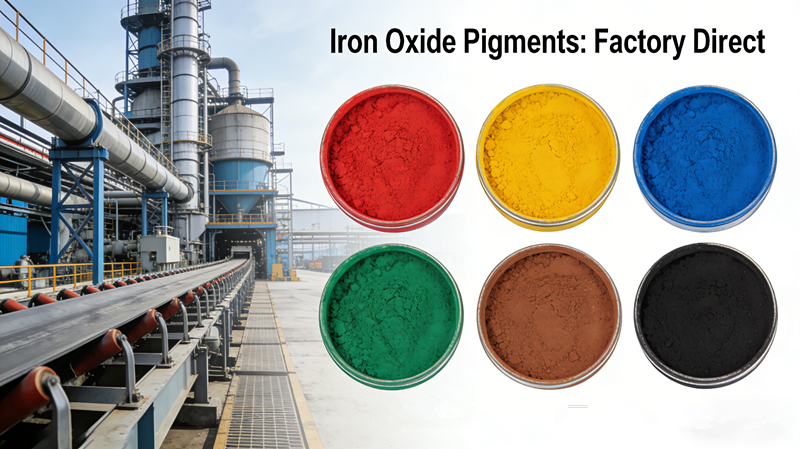
People usually make iron oxide red through processes in a factory. This is so the particles are all the size and the color does not change. Iron oxide red is a good pigment because it is strong and lasts a long time. Iron oxide red is used a lot because it is very good, at making things red.
Iron Oxide Yellow
Iron oxide yellow pigments provide warm and natural shades that are commonly used in construction materials and coatings.
Main advantages include:
- Bright yellow tone
- Good dispersion
- Stable performance in coatings and plastics
- Moderate heat resistance
Common applications include:
- Decorative concrete
- Paints and coatings
- Plastic products
- Rubber materials
Iron oxide yellow can also be calcined to produce iron oxide red, making it an important intermediate pigment in manufacturing.
Iron Oxide Black
Iron oxide black pigments offer deep, neutral tones with strong opacity.
Key features include:
- High color strength
- Excellent UV resistance
- Strong covering power
- Good compatibility with various materials
Common uses include:
- Asphalt and paving products
- Plastic masterbatches
- Industrial coatings
- Cement-based building materials
Iron oxide black is also widely used in combination with red and yellow pigments to create custom color blends.
Major Industrial Applications
Iron oxide pigments are used across many industrial sectors due to their durability and cost-effectiveness.
Construction Materials
The construction industry is the largest consumer of iron oxide pigments.
Typical applications include:
- Concrete blocks
- Interlocking paving stones
- Roofing tiles
- Decorative concrete
- Cement products
Iron oxide pigments provide long-term color stability in outdoor environments. They resist fading from sunlight, rain, and temperature changes.
Paints and Coatings
In the coatings industry, iron oxide pigments are used for both decorative and protective purposes.
Applications include:
- Exterior architectural paints
- Anti-corrosion coatings
- Industrial equipment coatings
- Marine coatings
Their strong UV resistance and chemical stability make them suitable for long-term outdoor exposure.
Plastics and Rubber
Iron oxide pigments are widely used as colorants in plastic manufacturing.
Typical products include:
- PVC pipes and fittings
- Plastic packaging materials
- Automotive components
- Rubber flooring and mats
These pigments maintain color consistency during high-temperature processing and long-term use.
Ceramics and Glass
Iron oxide pigments also play a role in ceramic and glass production.
Applications include:
- Ceramic glazes
- Decorative tiles
- Colored glass products
The pigments can withstand high firing temperatures while maintaining stable color performance.
Key Factors Industrial Buyers Should Consider
Selecting the right iron oxide pigment requires careful evaluation of several technical factors. Industrial buyers should focus on the following criteria.
Color Consistency
Consistent color is critical for large-scale manufacturing. Variations in pigment batches can lead to visible differences in final products.
Buyers should ensure that suppliers maintain strict quality control and stable production processes.
Particle Size and Dispersion
Particle size affects pigment dispersion and coloring strength.
Smaller and more uniform particles generally provide:
- Better dispersion
- Stronger tinting strength
- Improved surface appearance
Poor dispersion can cause uneven color and production inefficiencies.
Weather Resistance
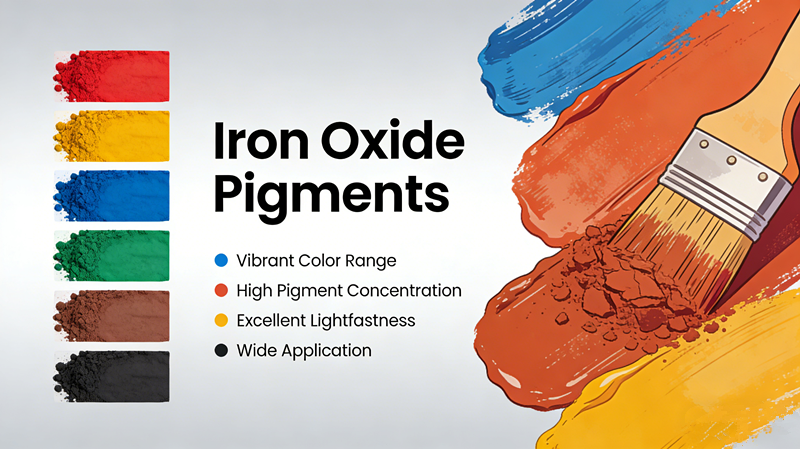
For outdoor applications such as concrete and coatings, weather resistance is essential.
High-quality iron oxide pigments should demonstrate:
- Excellent UV stability
- Resistance to moisture and oxidation
- Long-term color retention
This helps ensure the final product maintains its appearance for many years.
Supplier Reliability
Stable supply is critical for industrial buyers. Interruptions in pigment supply can affect production schedules and customer commitments.
Buyers should consider suppliers that offer:
- Consistent product quality
- Reliable production capacity
- Clear technical documentation
- Stable delivery timelines
Building long-term partnerships with reliable suppliers can reduce supply chain risks.
Market Trends in Iron Oxide Pigments
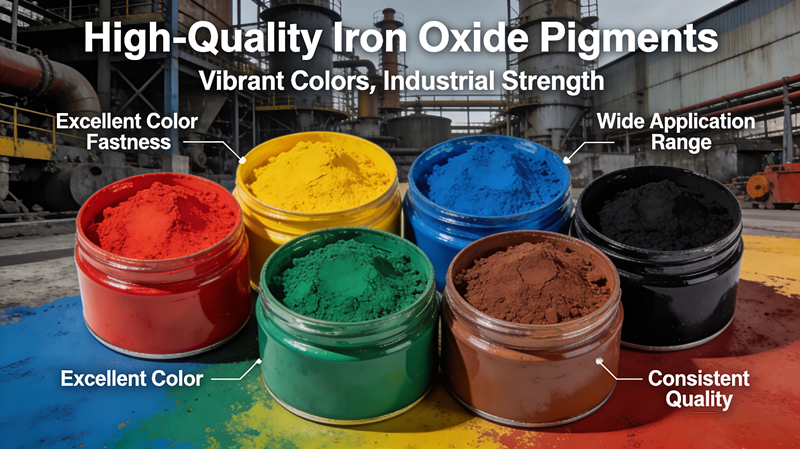
The global demand for iron oxide pigments continues to grow, particularly in developing regions where construction and infrastructure projects are expanding.
Several trends are shaping the industry:
- Increasing demand for colored concrete and decorative building materials
- Growth in infrastructure development in emerging markets
- Greater focus on environmentally friendly pigments
- Expansion of pigment applications in plastics and coatings
Synthetic iron oxide pigments are becoming more popular due to their consistent quality and controlled production processes.
Conclusion
Iron oxide pigments remain one of the most important inorganic colorants used in industrial manufacturing. Their stability, durability, and cost efficiency make them essential for industries such as construction, coatings, plastics, and ceramics.
For industrial buyers, selecting the right pigment involves more than just choosing a color. Factors such as particle size, heat resistance, dispersion performance, and supplier reliability all play a role in achieving consistent product quality.
By understanding the key characteristics and applications of iron oxide pigments, buyers can make informed purchasing decisions and ensure stable production outcomes.
As demand for durable and cost-effective color solutions continues to grow, iron oxide pigments will remain a critical component in modern industrial materials.