Skip to content

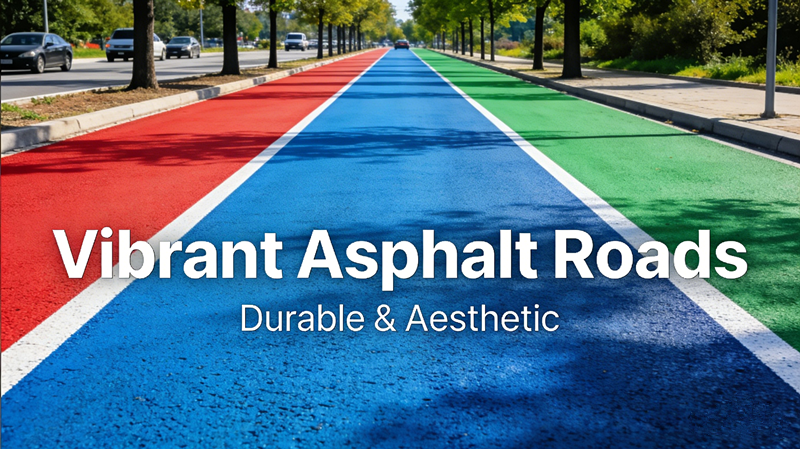
Urban road design is changing fast. The usual black asphalt is being replaced with asphalt surfaces for things like bike lanes, pedestrian crossings, bus lanes and areas that slow down traffic. These colored roads make it safer for people, help guide traffic, and make cities look more organized.
Behind every colored asphalt project is a key technical decision: selecting the right pigment. Among various pigment options, iron oxide pigment have become the industry standard due to their durability, stability, and compatibility with asphalt mixtures. For contractors, engineers, and pigment distributors, understanding how to choose the right pigment is essential for achieving long-lasting results.
This article explores the role of pigments in colored asphalt and explains why iron oxide pigments are widely used in modern road construction.

The Growing Demand for Colored Asphalt
Colored asphalt is something that people are using more and more in cities. Governments and cities are using roads to make the traffic system safer and easier to understand.
For example, they use colored asphalt for bike lanes, green for bus lanes, and really bright colors for areas where people walk. This helps drivers see what is what and makes the roads safer. People have done studies; they have found out that when the roads are clearly marked, it can really reduce the number of accidents that happen.
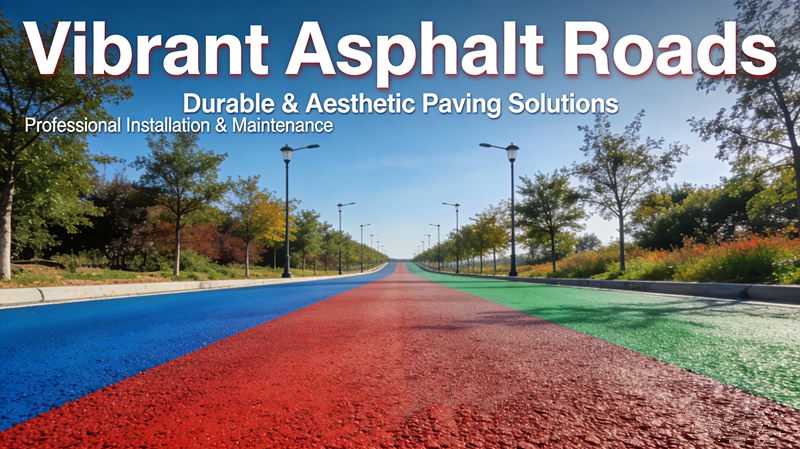
Colored asphalt is not only about safety; it also makes the city look nicer. Cities can use colors to separate areas, like where cars drive and where people walk, and it makes the streets and parks look better. They are also using asphalt in parking lots, driveways, paths for walking and biking, and sports fields.
To get the color to last, they need to use special colorings that can handle the tough conditions of being made and being used every day. Colored asphalt needs these colorings so that the color does not fade away quickly.
Why Pigment Selection Matters in Asphalt
Asphalt is different from other construction materials because it is made at very high temperatures, usually between 150°C and 190°C. When we mix asphalt, the pigments we use must be able to handle these temperatures without changing color or breaking down.
If the pigments are not good enough to handle the heat, a lot of problems can happen, such as:
- Color fading during mixing
- The color is not spread evenly
- The road does not last as long as it should
- We have to spend money to maintain the road
So, choosing the right pigment is not just about how it looks, but also about making sure it works well.
The pigments we use in asphalt have to be very good at things like:
- Being able to handle high temperatures
- Not being affected by the weather or sunlight
- Giving a strong color
- Mixing well with the asphalt
- Not being affected by water, salt, or oils
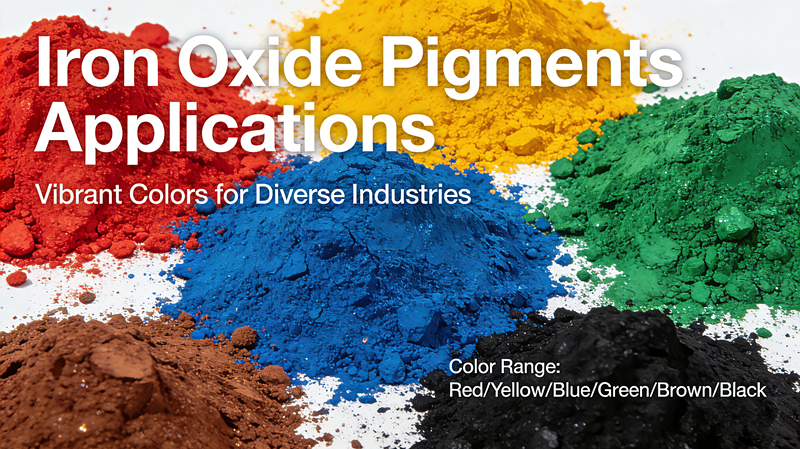
Iron oxide pigments are better at all these things than other types of pigments, which is why we use them so much in colored asphalt projects. Pigment selection is very important in asphalt production because the right pigment selection can make a big difference in how the asphalt looks and lasts. Iron oxide pigments are a top choice for asphalt because they meet all the requirements for high-performance pigments used in asphalt.
Advantages of Iron Oxide Pigments in Asphalt
Excellent Heat Stability
During asphalt mixing, temperatures can exceed 180°C. Iron oxide pigments are capable of withstanding temperatures above 300°C without losing color strength or structural stability.
Superior Weather and UV Resistance
Road surfaces are continuously exposed to sunlight, rain, snow, and temperature fluctuations. Iron oxide pigments provide excellent UV stability and weather resistance, preventing long-term fading or discoloration. Because of this durability, colored asphalt can maintain its appearance for many years, reducing the need for frequent repainting or resurfacing.
High Tinting Strength and Color Consistency
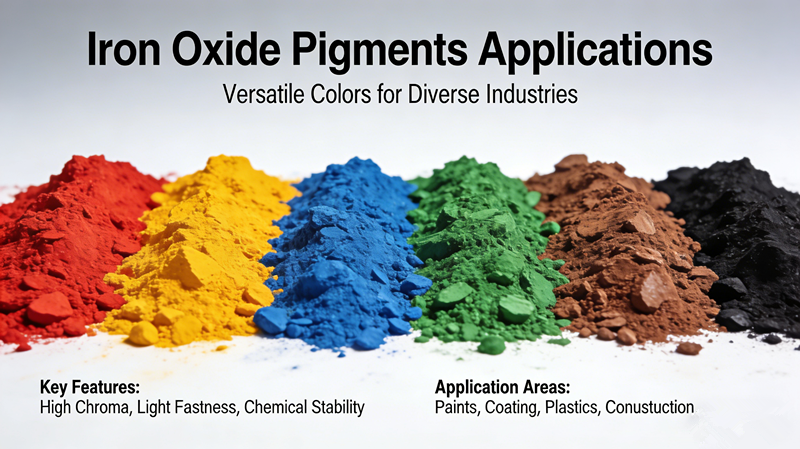
Iron oxide pigments provide strong coloring power, allowing consistent coloration even at relatively low dosage levels. Typical pigment usage ranges from 1–3% of the asphalt mixture, depending on the desired color intensity. This high tinting strength makes iron oxide pigments a cost-effective option for large road construction projects.
Environmental Safety
Iron oxide pigments are considered environmentally friendly because they are chemically stable and non-toxic. They do not release harmful substances into the environment and are compatible with modern sustainability standards in construction materials.
Common Iron Oxide Pigments Used in Colored Asphalt
Iron oxide pigments are available in several colors, allowing engineers to design roads with clear visual differentiation.
The most common pigments used in asphalt applications include:
- Iron Oxide Red: The most widely used pigment for colored asphalt. It is commonly applied in bicycle lanes, pedestrian areas, and traffic-calming zones.
- Iron Oxide Yellow: Often used in safety zones or decorative pavement where lighter tones are required.
- Iron Oxide Brown and Orange: Used for natural landscape designs, park pathways, and recreational areas.
- Iron Oxide Black: Sometimes used to deepen or adjust color tones in asphalt mixtures.
These pigments provide consistent color performance, strong weather resistance, and good compatibility with asphalt binders.
Functional Benefits of Colored Asphalt
In addition to visual design, colored asphalt can provide several functional benefits for road infrastructure.
Improved Road Safety
Colored pavement increases contrast between different traffic zones, helping drivers and pedestrians recognize boundaries more quickly. This improves visibility, especially in complex urban intersections or low-light conditions.
Noise Reduction
The structure of colored asphalt mixtures can help reduce road noise. Some studies report noise reductions of approximately 3–4 decibels, which contributes to quieter urban environments.
Reduced Urban Heat
Traditional black asphalt absorbs large amounts of heat. Pigmented asphalt surfaces, especially lighter colors, can reflect more sunlight and reduce surface temperatures. In some research, red pigmented asphalt increased surface reflectivity by nearly 19%, helping mitigate urban heat island effects.
Key Considerations When Choosing Asphalt Pigments
When selecting pigments for colored asphalt, project planners should consider several factors:
- Heat Resistance: Pigments must withstand asphalt mixing temperatures.
- Weather Durability: Long-term UV and weather resistance are essential.
- Dispersion Performance: Good dispersion ensures uniform color without streaking.
- Cost Efficiency: Pigments should provide strong coloring performance at low dosage levels.
- Environmental Compliance: Non-toxic and environmentally safe pigments are increasingly required for public infrastructure projects.
Iron oxide pigments meet all of these requirements, which explains their widespread use in modern asphalt technology.
Conclusion
Colored asphalt is transforming modern road infrastructure by improving safety, functionality, and urban aesthetics. From bike lanes and pedestrian crossings to parking zones and recreational paths, colored pavements help create more organized and visually clear transportation systems.
The success of these applications depends heavily on choosing the right pigment. Iron oxide pigments have proven to be the most reliable solution due to their excellent heat resistance, weather durability, strong tinting strength, and environmental safety.
As cities continue to invest in smarter and more sustainable infrastructure, the demand for high-performance pigments in colored asphalt is expected to grow. For pigment suppliers, construction companies, and infrastructure planners, understanding pigment selection is the key to building roads that remain vibrant, durable, and functional for many years.