Skip to content

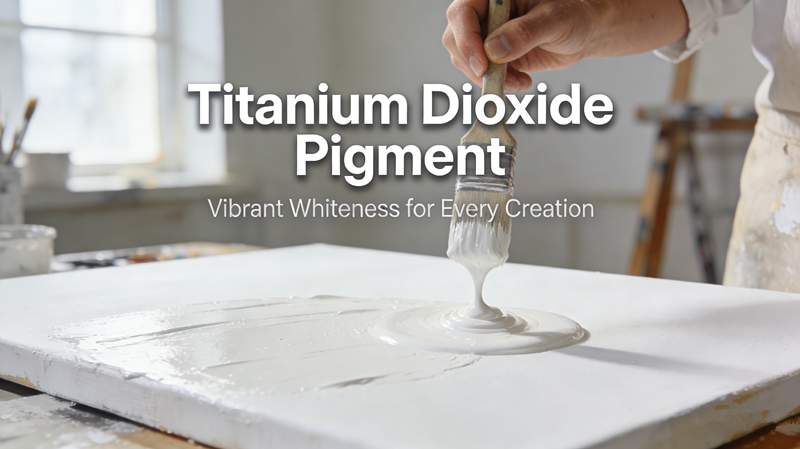
Titanium dioxide pigments are really important in making things today. They are white, not see-through, and last a long time. That's why they are used in areas like paints, plastics, paper, inks, and building materials. As industries want quality products and good looks, titanium dioxide—also known as TiO₂—stays one of the most popular inorganic pigments.
These pigments do a lot of things. They make coatings last longer and make paper and plastics brighter. Knowing what they can do helps makers pick the right one for different jobs.
What Are Titanium Dioxide Pigments?
Titanium dioxide is a thing that occurs in nature. It is made into a really fine white powder. This powder is used to color things. The reason it is used so much is that it looks good and it does not change when it is mixed with other things.
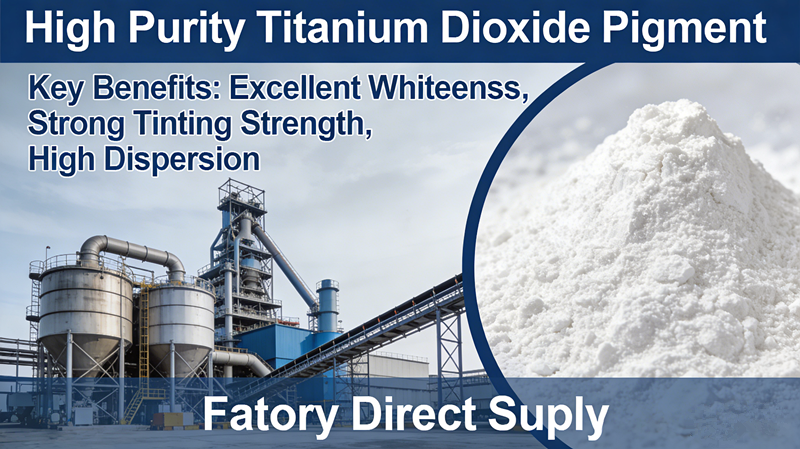
There are three main types of titanium dioxide: rutile, anatase, and brookite. Rutile and anatase are the types that are used the most to make pigment. People like to use rutile titanium dioxide when they need something that will last a long time and work well outside. This is because titanium dioxide that is made from rutile is really good at withstanding the weather, and it makes things look more opaque. It is also really durable, which means it will not break down easily.
Exceptional Opacity and Hiding Power
Titanium dioxide pigments are really good at doing their job because they can completely cover up the surface underneath. This is called opacity. Opacity is when the pigment can block light so you cannot see what is underneath.
This is very important for things like paint and coatings. If the pigment does not have good opacity, the color will not look right and it will not cover the surface properly.
Because of their high refractive index, titanium dioxide pigments scatter light very well. This means they can make the color look very bright and can cover the surface very well.
For the people who make these products, titanium dioxide pigments are great because they do not need to use much of them to get the color right. This can help them save money on materials and make their products more efficiently.
Brightness and Superior Whiteness
Another major advantage of titanium dioxide pigments is their exceptional whiteness and brightness. The pigment reflects a large portion of visible light, producing a clean, neutral white tone that enhances the appearance of many materials.
This property is particularly important in industries such as paper manufacturing, plastics, and architectural coatings. In paper production, titanium dioxide improves brightness and prevents print from showing through the sheet, which is essential for high-quality printing and packaging materials.
Similarly, in plastics and coatings, titanium dioxide helps maintain consistent color quality. The bright white base also enhances the performance of colored pigments by improving color clarity and vibrancy.
Because of these optical advantages, titanium dioxide is often considered the benchmark white pigment in many industrial formulations.
Excellent UV Protection
Titanium dioxide pigments provide protection against ultraviolet (UV) radiation. When materials are exposed to sunlight, UV rays cause them to break down, fade, and lose strength.
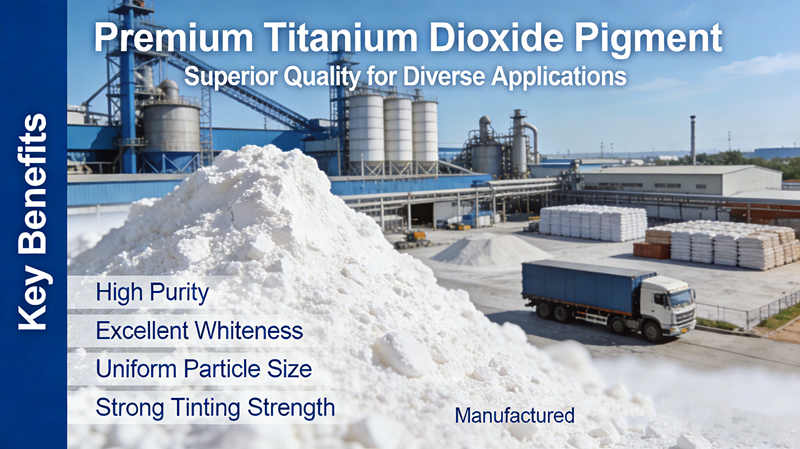
This is a problem for things like building coatings, plastic products, and construction materials that are used outside.
Titanium dioxide helps by reflecting and absorbing UV radiation. It acts like a shield against sunlight, slowing down the breakdown of materials.
As a result, products made with titanium dioxide last longer and keep their color when exposed to sunlight.
This UV protection is why titanium dioxide is used in many outdoor products like exterior paints, roofing materials, automotive coatings, and plastic products that need to withstand the environment.
Improved Durability and Weather Resistance
Titanium dioxide pigments are really good at making things last longer. They help keep things from getting damaged by water, heat, and chemicals.
When we use titanium dioxide pigments in paint or plastic, they make those things stronger. They can withstand the elements, like rain and sun, without falling apart.
Some special coatings are put on the titanium dioxide particles to make them even stronger. This helps them resist damage from the sun and makes them work better with different types of paint or plastic.
This means the paint or material will still look good and work properly after a long time. It will not break down easily, which saves money on repairs and makes things last longer.
For things like buildings, roads, and cars, it is really important to have durable paint that lasts. Titanium dioxide pigments help make this happen. They ensure products look good and perform well for years.
Chemical Stability and Safety
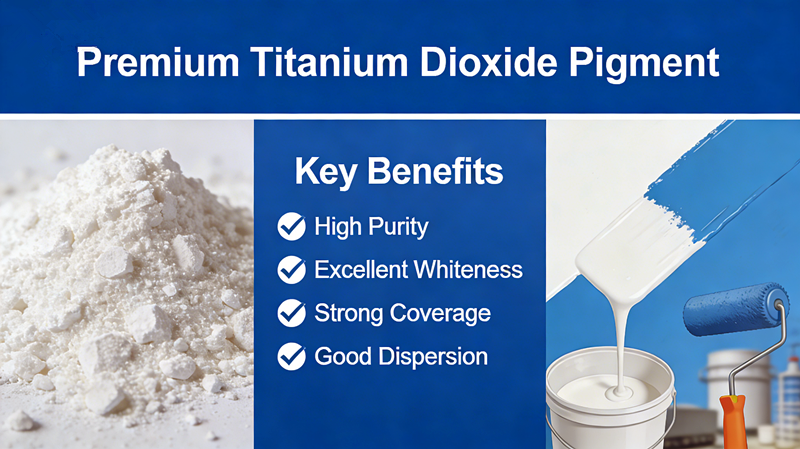
Titanium dioxide is really good at staying the same when it's around other chemicals. This is because titanium dioxide is not easily affected by acids, bases, or solvents that can hurt other materials.
This means titanium dioxide works well in tough places where other pigments might not.
People like to use titanium dioxide in things like paint, plastics, and packaging because it can handle being around harsh chemicals.
- It is used in industrial coatings
- It is used in plastic formulations
- It is used in food packaging materials
Titanium dioxide is also considered safe when it is used as a color ingredient. A lot of people trust titanium dioxide. It is allowed in many products that people use every day. The fact that titanium dioxide does not react with other substances helps it work consistently in these products. Titanium dioxide is a popular choice because it is stable and safe.
Versatile Applications Across Industries
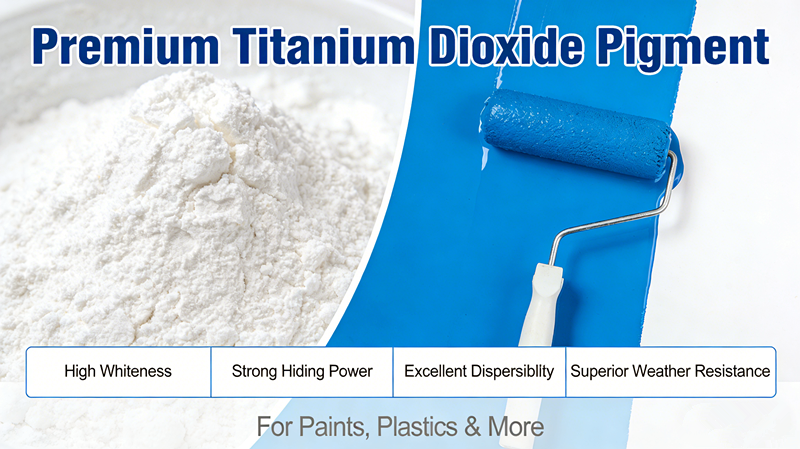
The combination of optical performance, UV resistance, and chemical stability makes titanium dioxide pigments suitable for a wide range of applications.
Some of the most common industries that rely on titanium dioxide include:
- Paints and Coatings: Titanium dioxide provides opacity, brightness, and weather resistance in architectural and industrial coatings.
- Plastics and Polymers: The pigment improves color stability and protects plastic products from UV degradation.
- Paper Manufacturing: Titanium dioxide enhances brightness, opacity, and print quality in paper products.
- Inks and Printing: In printing inks, the pigment improves color contrast and visibility.
- Construction Materials: It is used in cement, concrete, and building materials to improve appearance and durability.
Because of its wide applicability, titanium dioxide remains one of the most versatile pigments used in global manufacturing.
](https://xtpigment.com/wp-content/uploads/2026/03/titanium-dioxide-5.png)
The Continuing Importance of Titanium Dioxide Pigments
Despite the development of alternative pigments and fillers, titanium dioxide continues to dominate the white pigment market. Its unique combination of optical performance, durability, and versatility is difficult for other materials to match.
Industries continue to rely on titanium dioxide pigments to improve product quality, extend service life, and maintain consistent appearance across a wide range of materials.
As technology advances, ongoing improvements in particle engineering and surface treatment technologies are expected to further enhance the performance of titanium dioxide pigments. These innovations will likely expand their use in new applications while improving efficiency in existing industries.
Conclusion
Titanium dioxide pigments offer a powerful combination of performance benefits, including excellent opacity, high brightness, UV resistance, durability, and chemical stability. These properties make them essential in industries ranging from coatings and plastics to paper and construction materials.
By understanding the functional advantages of titanium dioxide pigments, manufacturers can better optimize formulations and achieve reliable product performance. As industrial requirements continue to evolve, titanium dioxide will remain a critical material in achieving both aesthetic and functional improvements in modern products.