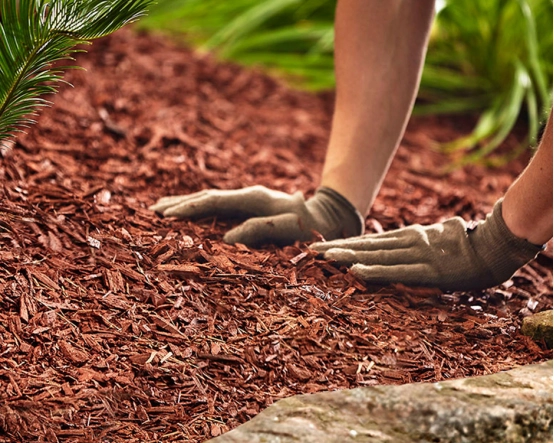
You're using the same pigment as yesterday. Nothing has changed on the recipe sheet. Yet the mulch coming off the line is a different red, and there's a delivery to finish. It's reasonable to suspect the pigment. We'd still dry a handful beside yesterday's sample before turning up the dose. Getting wood mulch color consistency right means finding out what changed beyond the recipe sheet, too.
Is the Mulch Color Difference Still There When Dry?
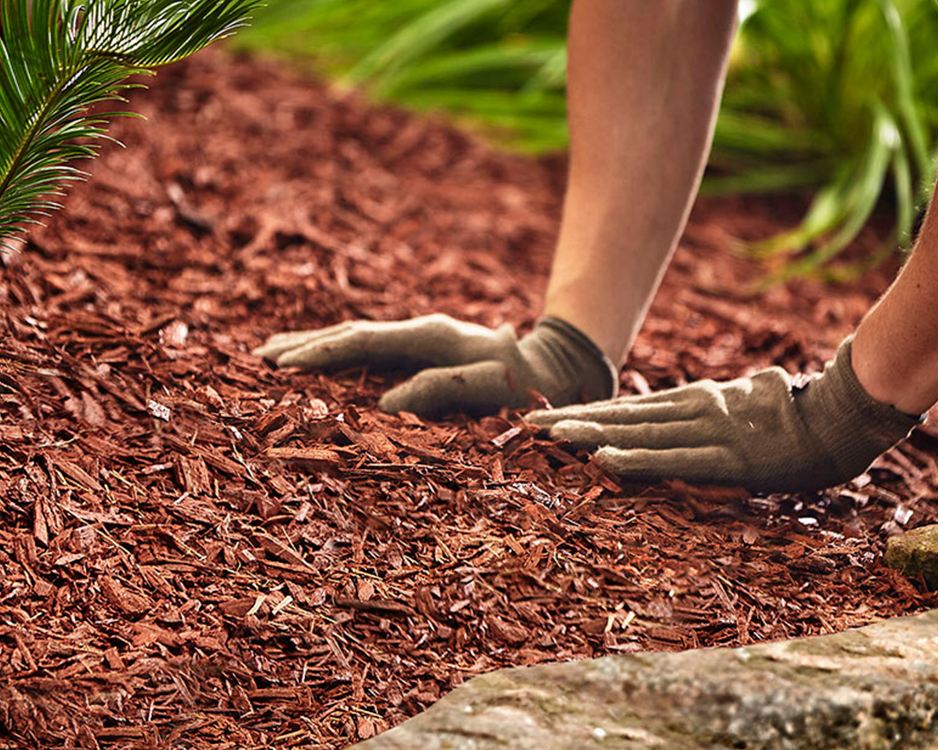
Spread a handful from each batch on separate trays. Let both dry in the same place. Then look at them beside your retained reference, under the same light.
Wet colored wood mulch can look satisfyingly dark straight out of the machine. That isn't a good moment to approve its final shade. Nor is a comparison between a sunny loading bay and a sample kept indoors.
If the dried samples match, you may have a viewing or drying problem. If they don't, keep them. You'll need that pair while checking the production run.
What Changes Mulch Color Before the Pigment Arrives?
It's worth keeping a little uncolored wood when you save a finished sample. Otherwise, a week later, you'll be trying to remember what went into the machine. Look at both the wood and the water it carries.
The Wood under the Color
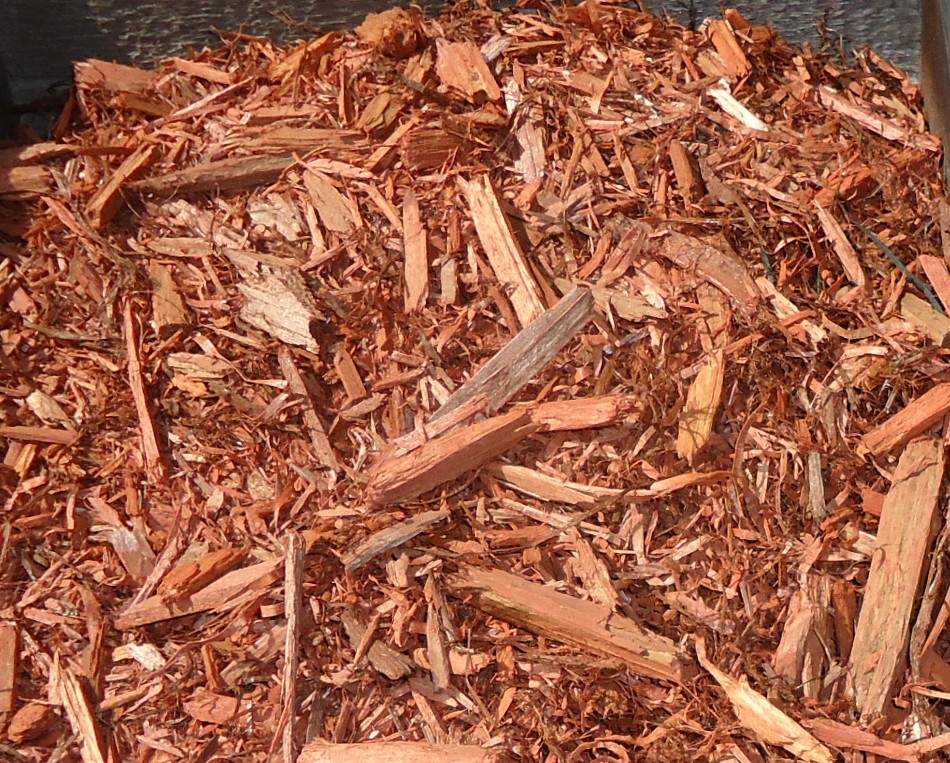
Put pale chips beside a handful containing plenty of dark bark. You can see the difference before any iron oxide red goes on. That background hasn't disappeared just because the finished pieces share a color name.
Have a look at chip size while you're there. Fine shreds and coarse chunks won't present the same surface to the spray, even if both fill the loader bucket. A changed grinder screen is a useful clue. So is a load with noticeably more fines.
Water Coming in with the Wood
Think about the loader's route after rain. Is it taking wood from an exposed pile edge or from under cover? That detail belongs in the batch record.
Weighing out 10 kg from each pile doesn't entirely solve this. You're weighing the water as well, so the wetter portion contains less actual wood. That's easy to miss on a busy shift. Keep a note of the moisture difference and resist changing the colorant setting during that check.
Is the Mulch Colorant Reaching Every Chip?
The recipe might be right. What leaves the tote and what reaches the wood still need checking.
Check the Liquid in the Tote
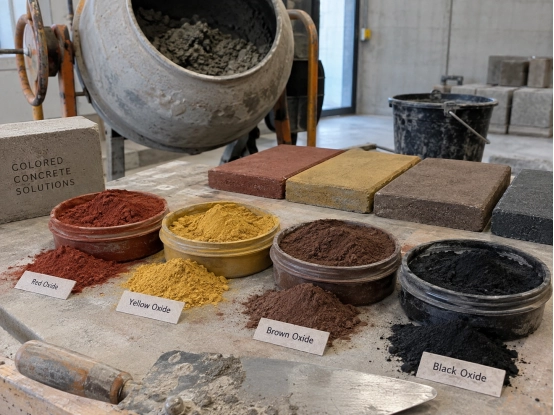
There's a difference between buying pigment and making a usable liquid colorant from it. A pigment powder needs a suitable formulation around it: otherwise you may have trouble dispersing it in water or keeping the dried color on the wood. The water tank isn't a shortcut around that work.
Take a black mix based on carbon black. Is the pigment dispersed properly, or are you about to add more to a mix that already needs work? Also look at stored colorant for settling. Mixing instructions matter here: if the tote contents aren't uniform, the feed concentration can change partway through a run. The pump setting won't tell you that.
Measure the Feed, Not Just the Setting
For example, a batch sheet might call for 50 kg of colorant to treat an hourly output of 20 cubic metres. If a timed check puts delivery at 40 kg an hour, the operator hasn't followed that recipe in practice, however familiar the settings look.
Divide each figure by the wood output. The planned dose works out at 2.5 kg/m³ (50 ÷ 20); the measured dose is only 2.0 kg/m³ (40 ÷ 20). A ten kilogram gap against a fifty kilogram target leaves you 20% short. I'd check the feed before judging the pigment on that run.
Use the supplied colorant weight for this calculation, water included. A dry pigment figure would mean something different, as would a more diluted liquid.
Wood throughput belongs beside that flow measurement. Speeding up the line spreads the same colorant over more mulch unless the feed rises with it. With patchy color, watch the spray pattern too. More pigment won't open a blocked nozzle.
How Can a Small Mulch Trial Locate the Problem?
Bring out the uncolored wood you saved from a satisfactory run. You'll need some of that and some from the incoming load, with enough of each for two portions. Four labels will save a lot of confusion later.
Color one portion of each wood with the routine currently causing trouble. For the other pair, use the same formula but check the mixing and measure the delivered dose. Then dry everything together.
The interesting result is which difference survives. If both woods improve once delivery is checked, there's work to do at the coloring equipment. If the incoming wood remains a different shade, even with verified delivery, pull out the stockpile and grinder records. You now have a reason for the next adjustment.
Only then would we put alternative iron oxide pigments into a comparison on that same wood. Matching the powder in a jar isn't the finish you're selling.
Could Drying Be Behind the Mulch Color Complaint?
Sometimes the complaint comes after delivery: the bed looked good when spread, then rain left pale patches. Get the timing before calling it fading.
Think of color that washes off a chip. The pigment itself hasn't necessarily broken down; it may simply have lost its hold on the wood. Ask when it rained relative to coloring. Then check whether the mulch had the drying conditions required for that colorant. Time on the clock alone won't tell you how well it dried.
A retained sample kept dry is especially useful here. Once the exposed mulch has dried as well, compare them. Can you see fresh looking wood where color has gone? Was there colored runoff? Keep a photograph of it if so. "Faded after rain" could mean several things, and this helps pin down what actually happened.
What Should You Keep from the Next Mulch Batch?
Don't let the entire pile leave without saving a dried reference. Label it with the wood source and batch date. Record the actual colorant dose beside it, along with the drying conditions.
If the next batch misses that reference, send us the two dried samples and your batch notes for a color discussion. Keep some uncolored wood, too. It's much easier to work through a mismatch with the starting material in front of you than with a message saying the red isn't red enough.
FAQ
Will More Pigment Fix Pale Mulch?
Sometimes. Try a little more on a small portion, then wait until it's dry before deciding. For an uneven batch with plenty of dark chips already in it, we'd work on distribution before paying for more pigment throughout the load.
Can Black Mulch Use Iron Oxide or Carbon Black?
Yes, both can be used in mulch colorant formulations. An equal weight substitution isn't a reliable color match, though. Put each through a trial in the complete formulation and compare the dried wood, including how well it is covered.
Is There One Correct Colorant Dose per Cubic Metre?
We wouldn't copy a dose from another yard without trying it. Their wood may be finer than yours. Their liquid may also contain a different amount of pigment, so the same number of kilograms won't necessarily buy the same color.
Can We Approve Mulch Color from a Phone Photo?
A photo helps us find a streak or a bare patch. We'd keep physical samples for shade approval. Try photographing the same sample in sun and shade: the phone's exposure adjustment alone can make the comparison confusing.