Skip to content
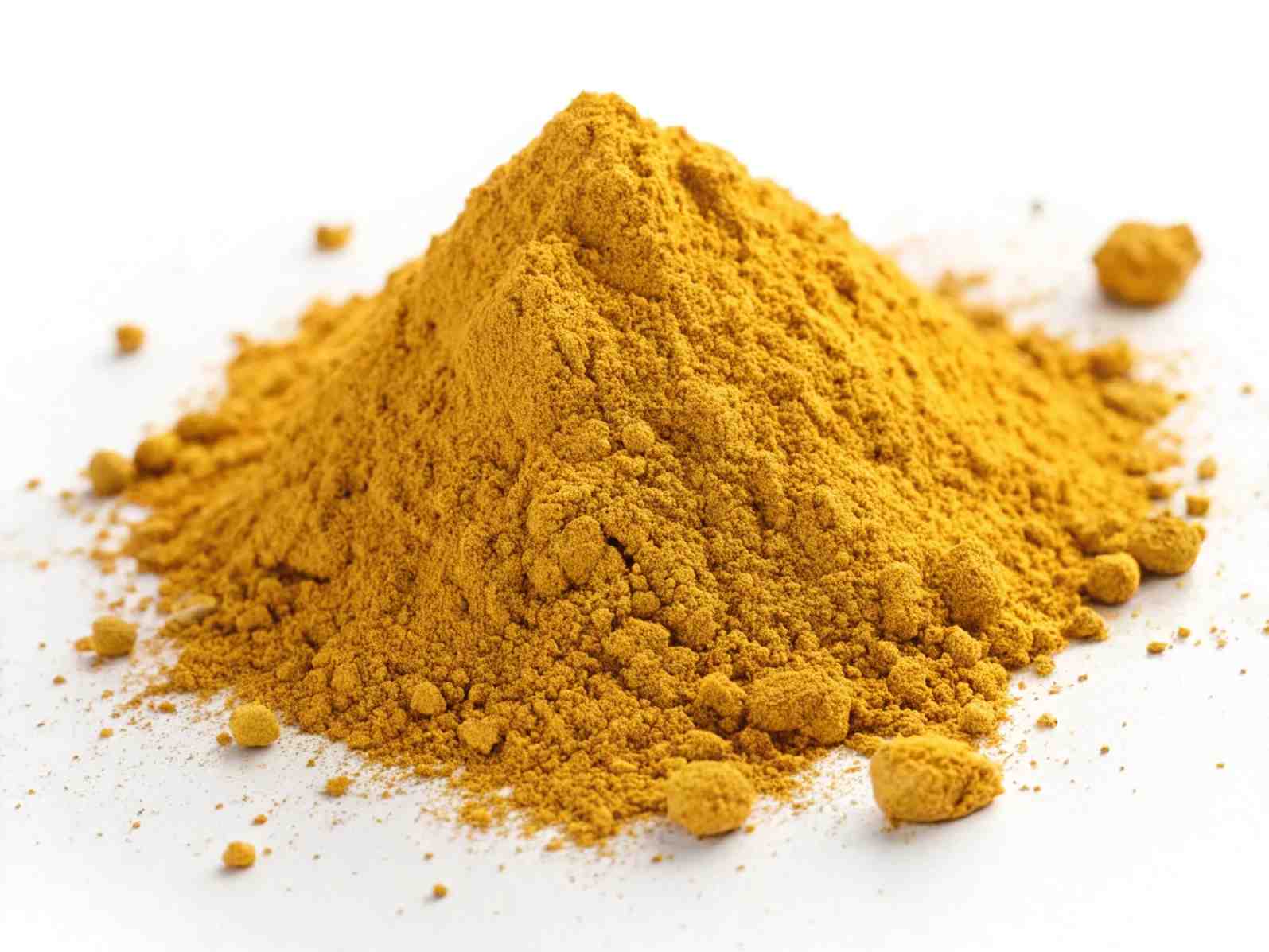
When iron oxide yellow turns red during plastic processing, the most likely cause is excessive thermal exposure. Standard yellow iron oxide is based on goethite, an iron oxyhydroxide. Enough heat can remove structural water and convert the yellow crystal toward red hematite. The practical fix is to qualify the pigment in the real resin, temperature, and residence-time window rather than relying on a generic heat-resistance number.
What Happens When Iron Oxide Yellow Turns Red?
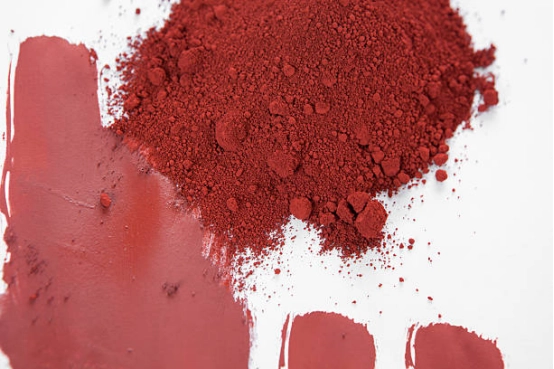
The color change is a chemical transformation, not ordinary poor mixing. Yellow goethite, commonly written as alpha-FeOOH, can dehydrate when heated and form red alpha-Fe2O3, or hematite. Scientific work on heated goethite and hematite confirms this relationship. Once a meaningful portion has transformed, cooling the part does not restore the original yellow.
That chemistry explains why the defect often appears as an ochre, orange, brown, or red shift rather than a uniformly darker yellow. The observed shade depends on how much pigment transformed, its starting undertone, the let-down ratio, the resin color, and the optical effect of the finished part.
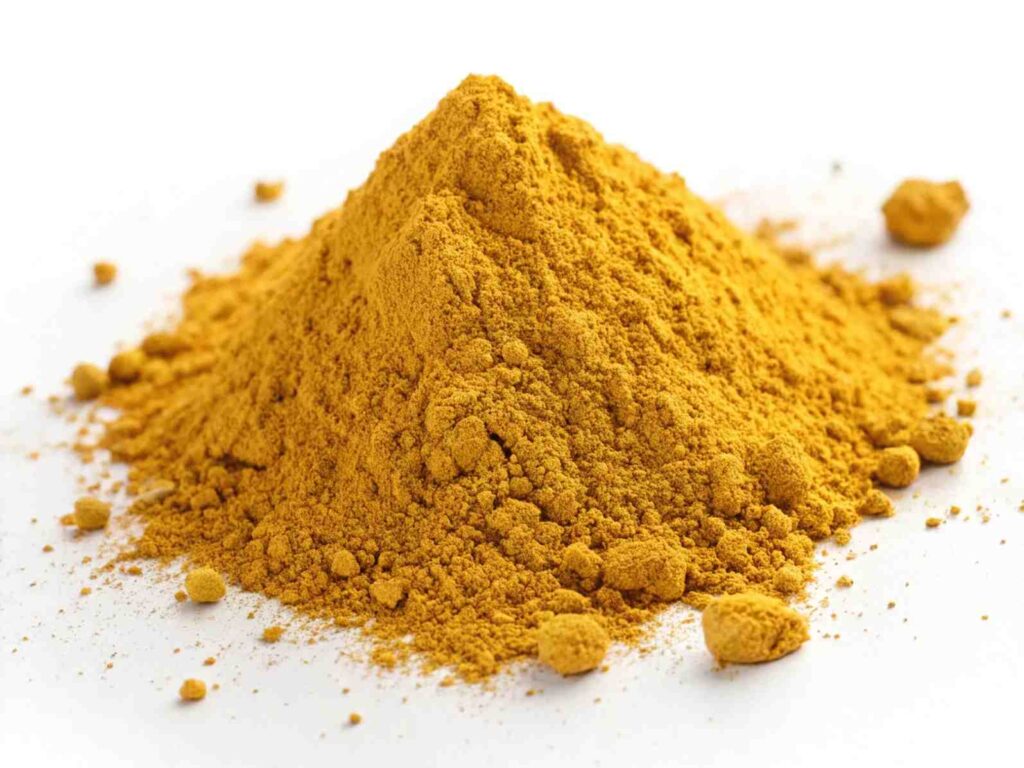
Why Is There No Universal Failure Temperature?
Iron oxide yellow heat resistance is a system property as well as a pigment property. Temperature is only one part of the exposure. A short injection cycle and a long extrusion residence at the same melt temperature can produce different results. Hot spots near heaters, shear heating, repeated recycling, and material held during a stoppage can increase the pigment's actual thermal load.
The carrier and polymer also matter. A grade that remains acceptable in one polyethylene compound may shift in another formulation or in a different processing method. Special heat-stable yellow iron oxide pigments are available for demanding polymers, but usable stability still depends on the system. That is why a supplier's headline temperature should be treated as a test result under stated conditions, not a universal operating limit.
How Can You Confirm Heat Is the Root Cause?
Start by comparing good and discolored parts against the machine record. A defect that becomes redder as melt temperature or residence time rises strongly suggests pigment conversion. Color that worsens after a pause, in a hot runner, or during regrind use also points toward accumulated thermal history.
Run a controlled heat ladder with the same resin, masterbatch dose, machine, and molding conditions. Change one variable at a time, beginning below the normal setpoint and moving upward in small, documented steps. Measure the cooled parts against the lowest-temperature control with L*a*b* values when possible. The current DIN EN 12877-2 method defines an injection-molding approach for assessing a colorant's heat stability during plastics processing.
Do not assume every red defect is transformed yellow. Contamination from a previous red run, degraded polymer, a mismatched masterbatch carrier, poor dispersion, or an incorrect pigment addition can create a similar appearance. Purge the machine, verify labels and lots, inspect the concentrate, and repeat the test with virgin resin before changing the specification.

Which Process Changes Can Reduce the Color Shift?
If the operating window allows it, lower the melt temperature and reduce residence time without compromising part quality. Check actual melt temperature instead of relying only on barrel setpoints. Remove dead spots, review screw speed and back pressure, and avoid leaving yellow material in a hot barrel during interruptions. Control regrind percentage because an additional heat history can push a marginal formulation beyond its acceptable color tolerance.
These adjustments are diagnostic as well as corrective. If the shade stabilizes when thermal load falls, the trial has identified the direction of the problem. If the normal process cannot be reduced because the polymer needs a higher melt temperature, process tuning alone is not a reliable long-term solution.
When Should You Change the Pigment Grade?
Change the colorant when the required production window exceeds the demonstrated stability of the standard yellow. A supplier may offer a yellow grade tested for a higher thermal load, while another inorganic yellow chemistry may be necessary for more severe conditions. The choice must also account for undertone, opacity, dispersibility, cost, regulatory needs, and interaction with the carrier.
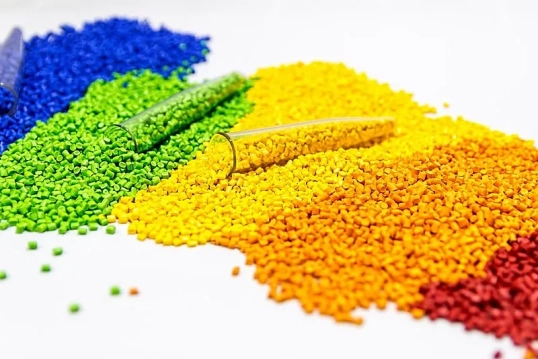
XT Pigment identifies standard iron oxide yellow grades for industrial coloring and supplies pigments for plastic masterbatch and molded products. Grade approval should begin with the polymer, maximum melt temperature, expected residence time, let-down ratio, required color tolerance, and whether regrind is used. Those details are more useful than asking whether a pigment is simply "heat resistant."
Physical form should not be confused with thermal chemistry. Powder and granules can differ in dust, feeding, and breakup behavior, but granulation alone does not prove that a yellow pigment survives a higher temperature. Request grade-specific evidence and test the exact commercial form that will be purchased.

What Should a Production Approval Record Include?
A useful approval record connects the pigment lot to the resin, carrier, dosage, machine, temperature profile, residence time, cycle, and measured color. Retain the lowest-temperature control and an approved production sample. Record any regrind and note whether the trial followed a recognized heat-stability method. Tracking time at temperature is essential because a production trial must represent the line's normal cycle, stoppages, and worst-case hold time.
Before a bulk order, ask for the current technical data sheet, representative sample, lot traceability, and a clear statement of test conditions behind any heat claim. XT Pigment can use the application and process window to narrow the trial grade, but the final decision should come from a controlled run in the buyer's own formulation.
FAQs
Q:Can iron oxide yellow turn back to yellow after cooling?
A:No. When heat has converted yellow goethite toward red hematite, cooling does not reverse the crystal transformation. A temporary color change that disappears after cooling may have another cause, so compare cooled samples and verify the pigment chemistry before drawing a conclusion.
Q:Is there one safe temperature for every iron oxide yellow pigment?
A:No. Grade design, polymer, carrier, exposure time, shear, and test method all affect the result. A temperature stated without the resin, duration, and color-tolerance conditions is not a complete specification. Use the supplier's condition-specific data and confirm it with a heat ladder in the intended process.
Q:Can yellow iron oxide be used in polypropylene?
A:It can be used only when the selected grade has demonstrated acceptable stability across the polypropylene process window. Standard yellow may shift if thermal exposure is too severe. Test the exact masterbatch and resin at normal and worst-case conditions, including realistic residence time and regrind.